
The resilience training framework we use today wasn’t built in a classroom.
It was built over decades of real experience, working with people under pressure, in environments where performance and recovery truly matter.
Resilience is often misunderstood and it’s frequently spoken about as something you either have or you do not. Something you rely on when things fall apart.
But that’s not how it works.
Real resilience is built long before the pressure hits. It is developed through deliberate action, consistent effort, and the choices you make when no one is watching. This is where psychological recovery truly begins.
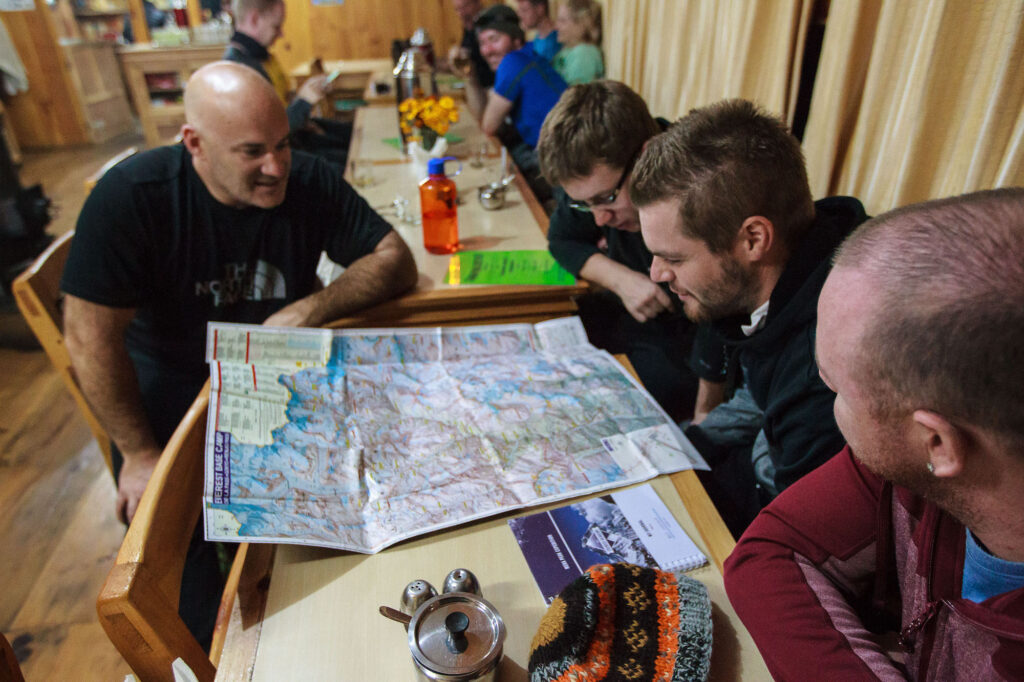
Across high performance sport, policing, corporate leadership, and high altitude mountaineering, one pattern continues to stand out.
The people who handle adversity best are the ones who have already invested the most.
A Resilience Training Framework Built from Real Experience
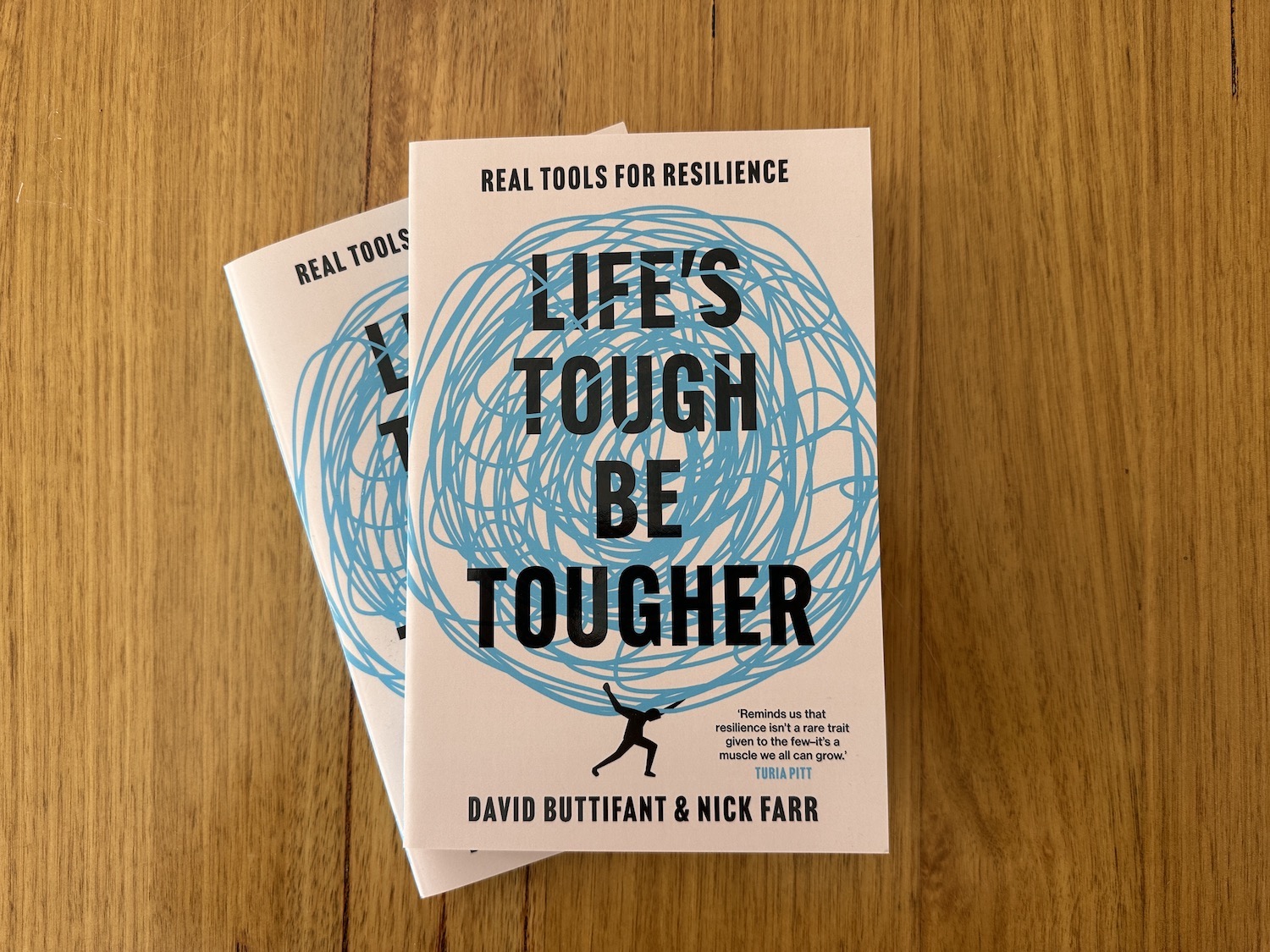
The Five Step Resilience Training Framework is the original work of David Buttifant and Nick Farr.
It has not been pulled from theory or adapted from someone else’s model. It has been shaped through decades of lived experience, observation, and working directly with individuals and teams under real pressure.
From Everest expeditions to AFL environments, from Olympic programs to frontline policing and corporate leadership, the same patterns kept appearing.
Certain behaviours consistently led to stronger psychological recovery and better performance under pressure.
Others did not.
Over time, those patterns were refined into a practical resilience training framework that can be applied across any environment.
The five steps are:
Investment
Uncertainty
Risk
Exposure to new environments
Focus
Each step builds on the one before it.
And it all starts with investment.
Step 1: Investment in the Resilience Training Framework
Investment is where the resilience training framework begins.
It is not just about time. It is about how much of yourself you are prepared to commit.
Preparation. Planning. Energy. Training. Effort. Consistency.
Without investment, there is no foundation for resilience to take hold. With it, you create the base that allows you to handle pressure, setbacks, and uncertainty when they inevitably arrive.
What Investment Looks Like in High Pressure Environments
Climbing the world’s highest mountains is not about luck.
It’s about preparation.
Sherpa mountaineers understand this better than anyone. Their survival depends on it. Every piece of equipment is checked, every route is considered and every decision carries weight.
There’s no room for shortcuts.
In elite sport, the same principle applies. The athletes who perform when it matters are not relying on motivation in the moment. They are relying on the work they have already done.
Training sessions no one sees. Recovery routines that are followed without fail. Attention to detail over long periods of time.
That is investment.
And it shows up when the pressure is on.
What Real Investment Looks Like Under Pressure
This short film captures what real investment looks like under pressure. Set during one of the toughest Mera Peak seasons on record, it follows a team climbing Mera Peak in Nepal, reaching 6,476 metres, where altitude, weather, and exhaustion push everyone to their limits.
With close to 100,000 views, this film has resonated widely because it shows the reality behind high performance in challenging environments. From the strength of the Sherpa team to the grit of every climber, it is a powerful example of what happens when people fully commit, prepare properly, and take a no shortcuts approach.
This is the same mindset that underpins our resilience training framework and drives real psychological recovery when conditions are at their most demanding.
Your Version of the Mountain
You might not be climbing Everest or competing for a premiership.
But you are facing your own version of a mountain.
It could be a demanding role, a business challenge, a period of uncertainty, or recovering from a setback that has knocked you off course.
The principle behind this resilience training framework does not change.
When something matters, you invest in it.
You prepare. You learn. And you commit. You show up consistently, even when progress feels slow.
This is what we mean by having skin in the game.
Without that level of commitment, it becomes very difficult to stay the course when things get tough.
Why Investment Drives Psychological Recovery
One of the biggest misconceptions in resilience training is that recovery is passive.
That time alone will fix things.
In reality, psychological recovery is active.
When you have invested deeply in something, you are far more likely to engage with the recovery process after a setback. You do not walk away easily, because the outcome matters to you.
Investment creates ownership. Ownership creates accountability. And accountability drives people to rebuild, adapt, and come back stronger.
Investment and Real Confidence
Interestingly, there’s a direct link between investment and confidence.
Not surface level confidence. Real confidence that holds under pressure.
When you’ve done the work, you know it. You trust it. You don’t need to convince yourself.
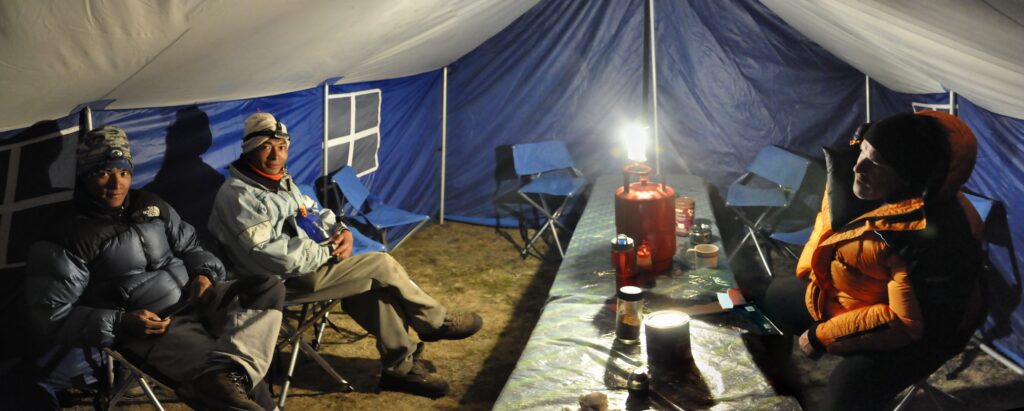
This is what allows people to stay composed in high pressure environments. It is not blind belief. It’s evidence built through consistent effort.
This is why effective resilience training programs focus heavily on preparation and repetition, not just mindset.
Confidence is earned through investment.
Where Most People Get It Wrong
Most people want the outcome without the investment.
They want confidence without preparation.
Resilience without discomfort.
Growth without sustained effort.
It does not work that way.
When pressure arrives, you fall back to your level of preparation. If the investment has not been made, it becomes obvious very quickly.
This is why the resilience training framework places so much emphasis on Step 1. It sets the standard for everything that follows.
How to Start Building Investment
You do not need to change everything overnight.
But you do need to be honest.
What actually matters to you right now?
Once that is clear, ask yourself:
Are you investing in it, or just hoping it works out?
Start small, but be consistent.
Set clear actions. Follow through. Build routines that support your goal. Remove shortcuts.
Over time, this builds momentum.
And more importantly, it builds resilience.
The Next Step in the Resilience Training Framework: Uncertainty
Investment gives you the base.
But no matter how well you prepare, you will never control everything.
Plans change. Conditions shift. Pressure arrives in ways you did not expect.
That is where the second step in the resilience training framework begins.
In our next resilience training framework article, we explore uncertainty and why your ability to handle what you can’t control is one of the true tests of resilience.
Because resilience is not just built through what you prepare for.
It is revealed in how you respond when things do not go to plan.
👉 Learn more about resilience training programs by Resilience Builders