
Psychological Safety Training Australia
Psychological Safety Is The Foundation Of High Performing Teams
Psychological safety is the foundation of high performing teams. When people feel safe to speak up, challenge ideas, and admit mistakes without fear, trust strengthens, communication improves, and better decisions are made.
We deliver psychological safety training across Australia, helping teams and leaders build environments where people can contribute openly and perform under pressure. This is not about creating comfort. It is about building the confidence to have honest conversations when it matters most.
Across Australian workplaces, expectations around leadership, team culture, and psychosocial risk have shifted. Organisations are now required to create environments where people feel safe to speak up, while also maintaining performance and accountability. That balance is where many teams struggle.
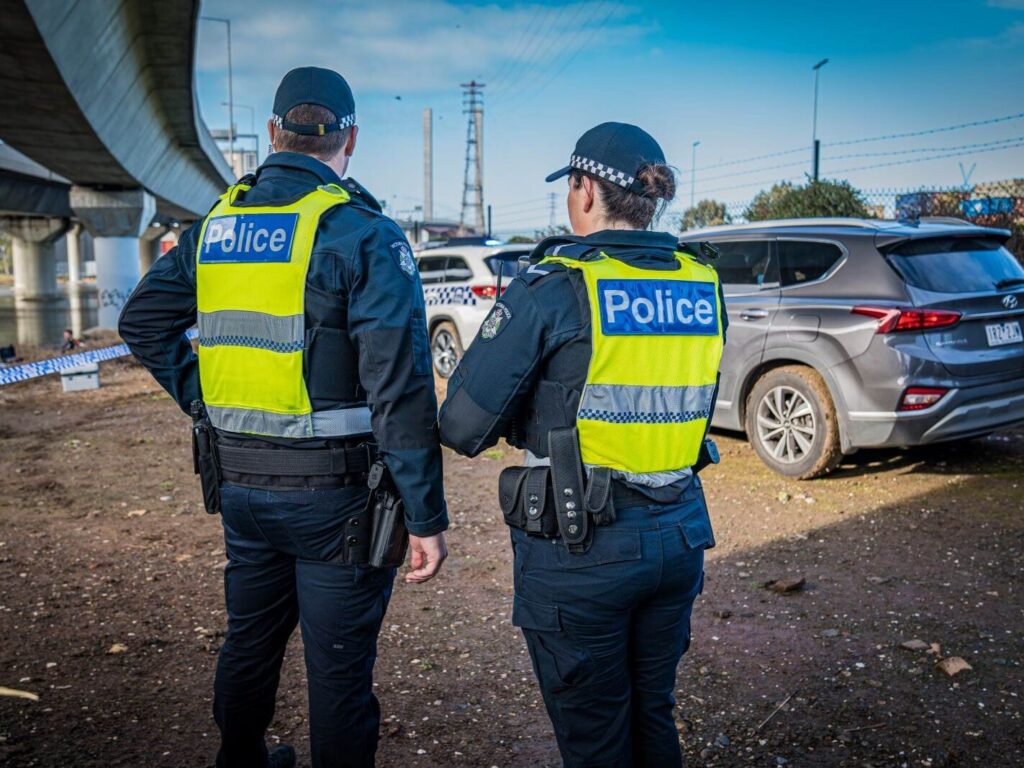
When psychological safety is missing, teams often become cautious, communication narrows, and important issues stay unspoken. Over time, that silence affects trust, learning, and the ability to respond well under pressure.
At Resilience Builders, our approach is practical and grounded in real world experience. From elite sport to high pressure environments, we teach simple, repeatable behaviours that build trust, strengthen communication, and hold up under pressure.

What is psychological safety in the workplace?
Psychological safety in the workplace is the shared belief that people can speak up, contribute ideas, ask questions, and admit mistakes without fear of embarrassment, rejection, or negative consequences. It is not about being comfortable all the time. It is about creating an environment where honest conversations can happen, especially when the pressure is on.
In high performing teams, psychological safety shows up in the small moments. People challenge thinking respectfully, give feedback without hesitation, and take responsibility when things go wrong. When it is missing, teams stay quiet, avoid risk, and hold back information that often matters most. Over time, that silence impacts trust, decision making, and ultimately performance.
Why psychological safety matters in Australian workplaces
In Australian workplaces, psychological safety is no longer a nice to have. Expectations around leadership, team culture, and employee wellbeing have shifted, with organisations now required to actively manage psychosocial risks as part of their broader workplace health and safety responsibilities, including alignment with ISO 45003.
This shift has placed greater focus on psychological safety at work, where leaders are expected to create environments in which people feel safe to speak up, contribute, and challenge ideas without fear of negative consequences.
Beyond compliance, the impact on performance is significant. Teams with strong psychological safety communicate more openly, adapt faster under pressure, and make better decisions. When people feel safe, they contribute more.
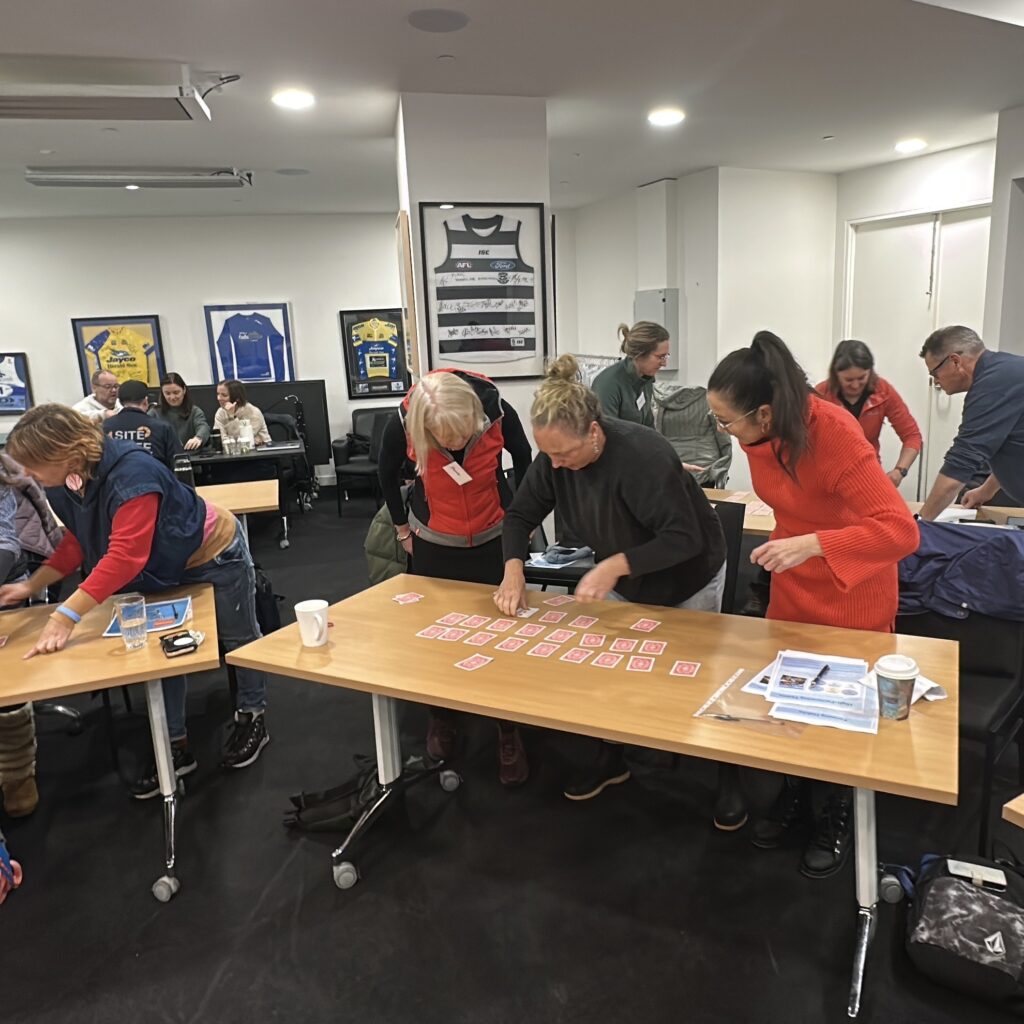
Psychological safety training for teams and leaders
From
$390
AUD
Available Now
From
$290
AUD
Available Now
Psychological Safety Hub
Our approach to psychological safety training
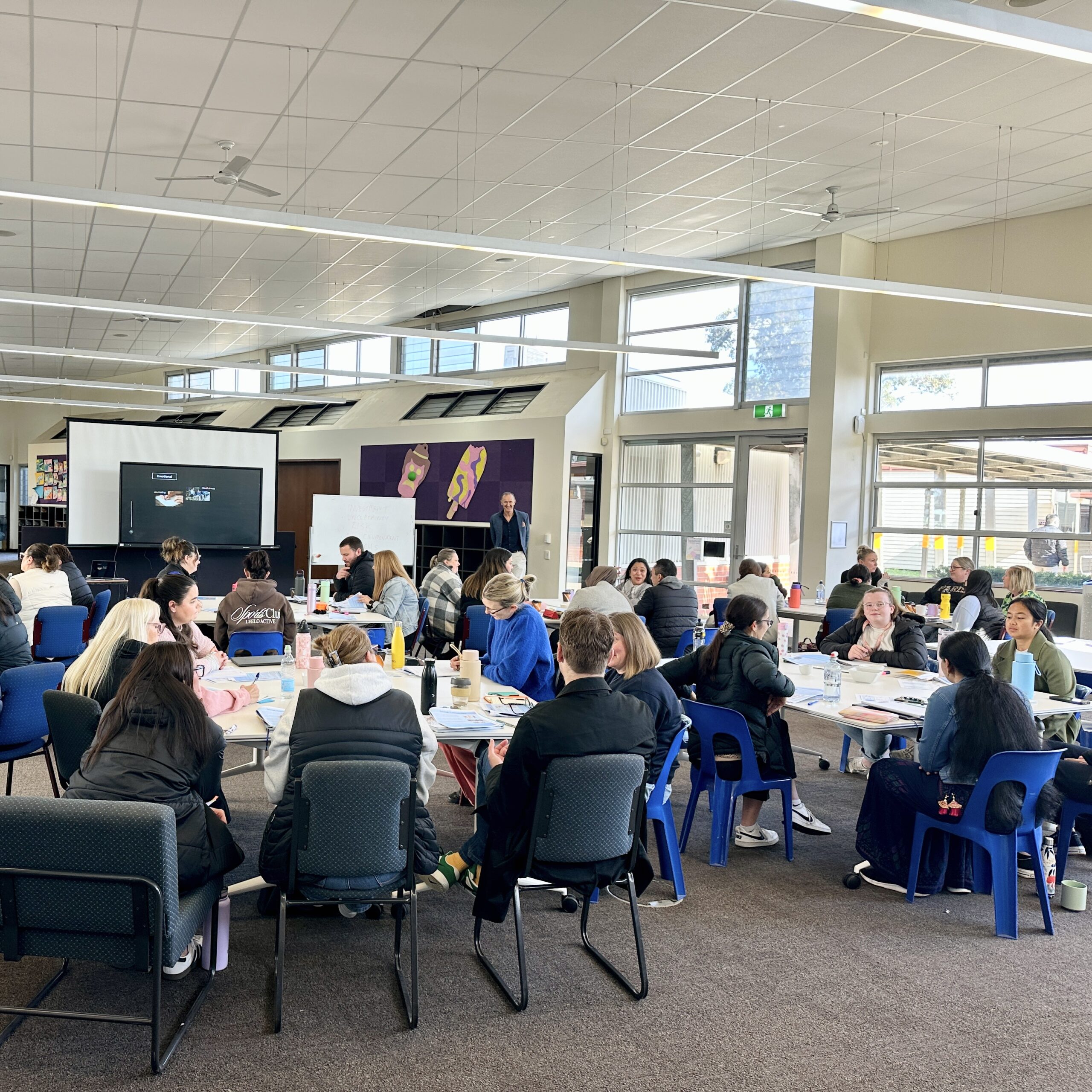
Most psychological safety training is built on theory. Ours is built on lived experience. From elite sport to frontline leadership and high pressure environments, we’ve seen what happens when communication breaks down and trust is missing. These are the moments that expose whether a team is truly safe to speak up or not.
Our approach focuses on simple, practical behaviours that leaders and teams can apply immediately. How you respond under pressure, how you handle mistakes, and how consistently you show up as a leader all shape psychological safety. This is not about ticking a box or running a one off session. It is about building habits that hold up when it matters most.
How to build psychological safety in teams
Psychological safety in teams is built through consistent behaviour, not intention. It starts with leaders creating space for input, responding constructively when things go wrong, and setting the tone for open, respectful communication. When leaders model these behaviours, teams follow.
It is reinforced in the everyday moments. How feedback is given, how mistakes are handled, and whether people feel genuinely heard all shape the environment. Under pressure, these behaviours are tested. Teams that have built strong habits continue to communicate clearly and support each other. Those that haven’t tend to go quiet when it matters most.

Who this training is for?
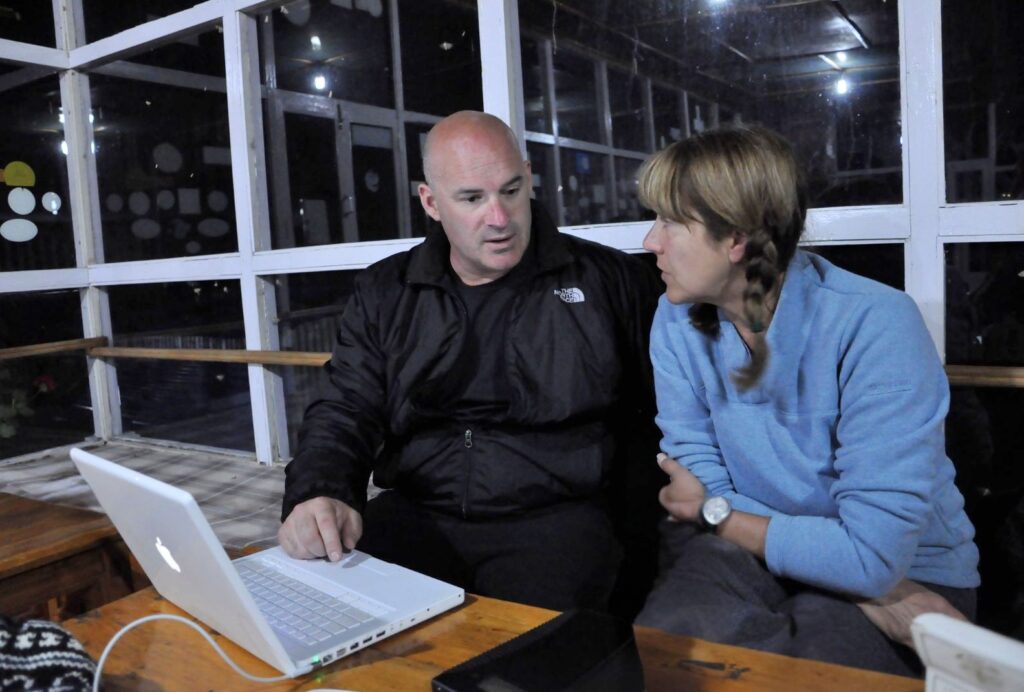
This training is for leaders and teams who operate in environments where communication, trust, and performance matter. Whether you are leading a business, managing a team, or working in a high pressure role, psychological safety plays a critical role in how people show up and contribute.
We work with corporate teams, leadership groups, schools, and high performance environments across Australia. The common thread is simple. When people feel safe to speak up, teams perform better. When they don’t, important conversations are missed, and performance suffers.
Psychological safety Workplace programs in Australia
We deliver psychological safety training programs across Australia, working with organisations that want to strengthen team communication, build trust, and improve performance under pressure. Each program is tailored to the environment, whether that is corporate teams, schools, or high performance settings, ensuring the learning is practical and immediately applicable.
Our programs are delivered through a mix of in person workshops, leadership sessions, online learning, and immersive experiences. The focus is always the same. Equip leaders and teams with the tools and behaviours they need to create psychologically safe environments that hold up in the real world, not just in theory.
What ISO 45003 Means for Your Organisation
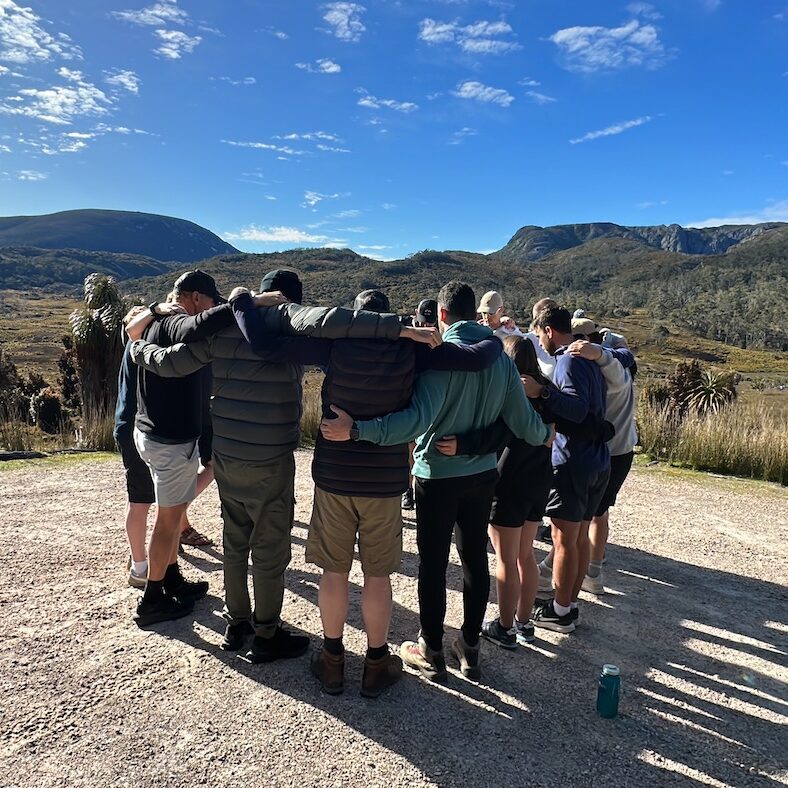
Learn how ISO 45003 provides clear guidance for creating psychologically safe and high performing workplaces.
ISO 45003 is the first global standard focused on psychological health and safety at work, giving organisations a framework to identify and manage risks like workload pressure, poor leadership, and lack of support. In Australia, it aligns with evolving WHS expectations, making psychological safety a core responsibility, not an optional extra.
More than compliance, it helps leaders turn intent into action, building environments where people feel safe to speak up and perform under pressure.
Psychological Safety FAQs
It means people feel comfortable speaking up, asking questions, admitting mistakes, and sharing ideas without fear of embarrassment or punishment. This creates an environment where honest conversations and learning can happen.
When people feel safe to contribute, they are more engaged, take smarter risks, and solve problems earlier. Teams tend to be more innovative, resilient, and productive over time.
No. It is not about avoiding difficult conversations. It is about creating an environment where people can challenge ideas, give honest feedback, and have constructive conflict without fear of negative consequences.
Trust is often built between individuals over time. This is more about the shared environment of a group. It is the collective belief that speaking up will not lead to being shut down, ignored, or punished.
You will often see silence in meetings, people holding back ideas, reluctance to admit mistakes, and a tendency to avoid difficult conversations. Over time, this can lead to disengagement and poor decision-making.
Yes. It can be assessed through targeted questions that explore whether people feel comfortable speaking up, asking for help, or challenging ideas. Many organisations use structured assessments to track change over time.
Leaders set the tone. When they invite input, respond constructively to feedback, and openly acknowledge their own mistakes, they signal that it is safe for others to do the same.
It is not a quick fix. It develops through consistent behaviours over time. Small, repeated actions such as listening well, responding without judgement, and following through on feedback are what build it.
Yes. In Australia, creating a mentally healthy workplace is part of broader work health and safety responsibilities, including managing psychosocial risks and supporting staff wellbeing.
Start simple. Create space for people to speak, ask more questions than you answer, and respond calmly when things go wrong. Consistency matters more than complexity.
Yes, you can explore a wide range of psychological safety videos on the Resilience Builders YouTube channel.

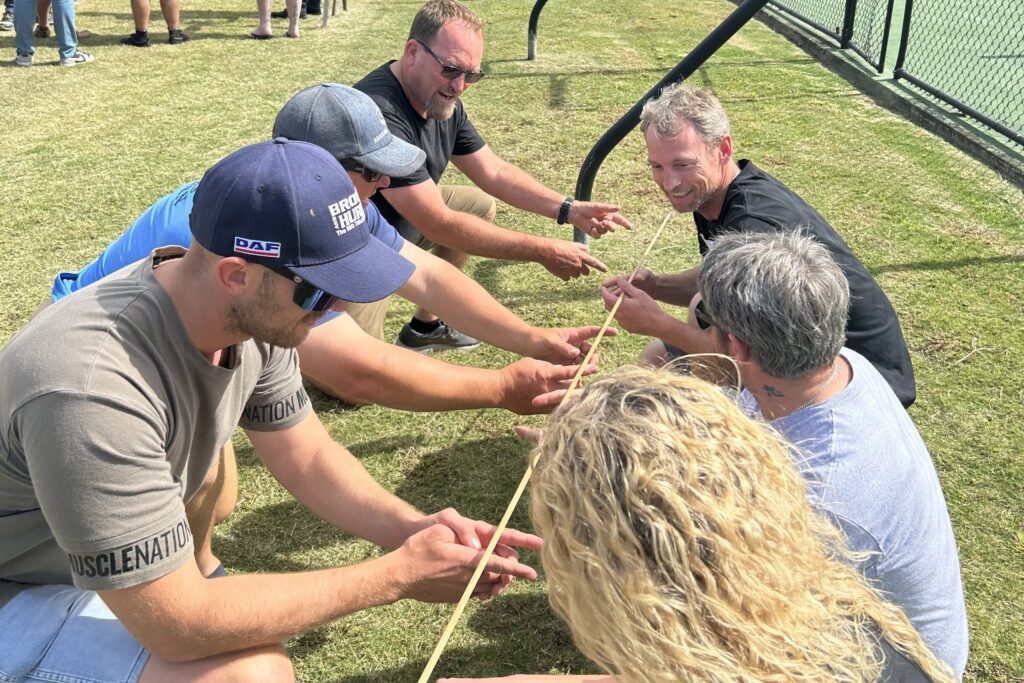
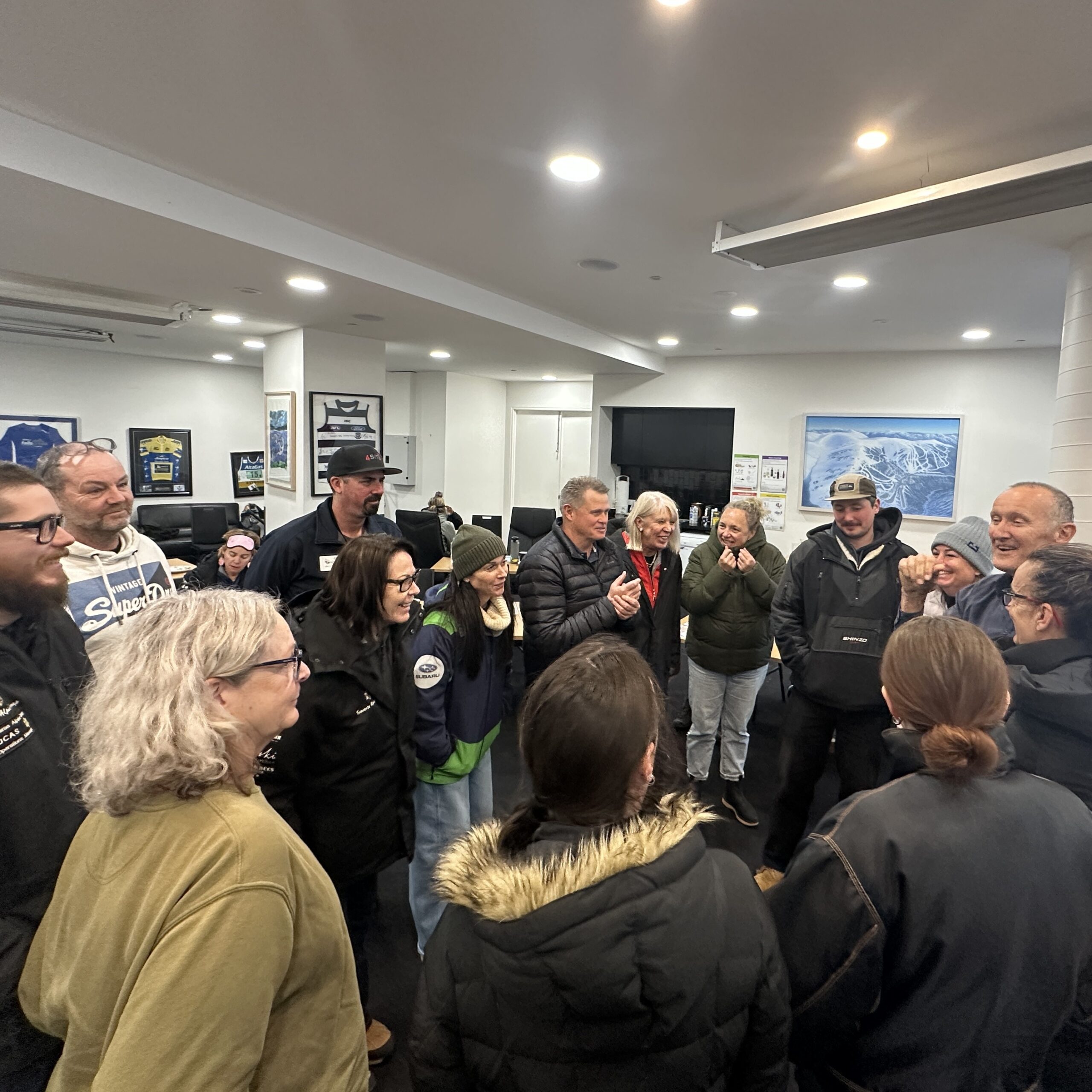
Our Programs In Action

“By creating a safe and inclusive space, Resilience Builders equipped our team with practical strategies to overcome challenges and bounce back stronger. The program’s positive impact on our communication and collaboration is undeniable and we are absolutely better for the entire experience.
Leon Bowes
I would highly recommend Resilience Builders to anyone seeking to foster strong leadership skills, enhance teamwork and cultivate resilience. Thanks, team, for an unforgettable experience!”
Apollo Property Group 2023
Learn More About The RESILIENCE BUILDERS Way
Got questions about any of our programs?
Call or email us today.