Building resilience in teenagers becomes far more powerful when young people are exposed to genuine challenge, uncertainty and experiences that push them beyond what feels familiar and comfortable.
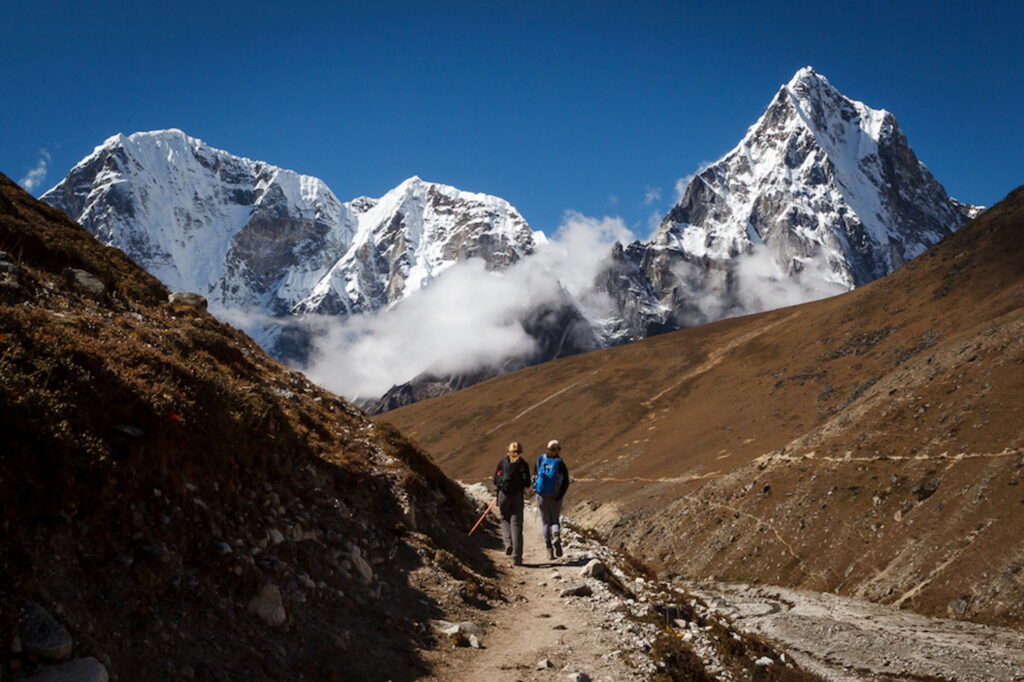
That is exactly what makes our Everest Base Camp program so unique.
This is not simply a trekking adventure through the Himalaya.
It’s a shared experience designed to help young people build confidence, resilience, perspective and self belief through challenge, connection and real world experience.
For many teenagers, the journey becomes one of the most impactful experiences of their young lives.
The mountains challenge them physically and mentally.
The environment removes distractions.
The experience creates space for reflection, conversation and growth.
And somewhere along the trail, many young people begin to realise they are capable of far more than they originally believed.
Why Challenge Matters When Building Resilience In Teenagers
Modern life can often shelter young people from discomfort, uncertainty and challenge.
Yet these are the very environments where resilience is developed.
Not through comfort.
Not through theory.
But through experience.
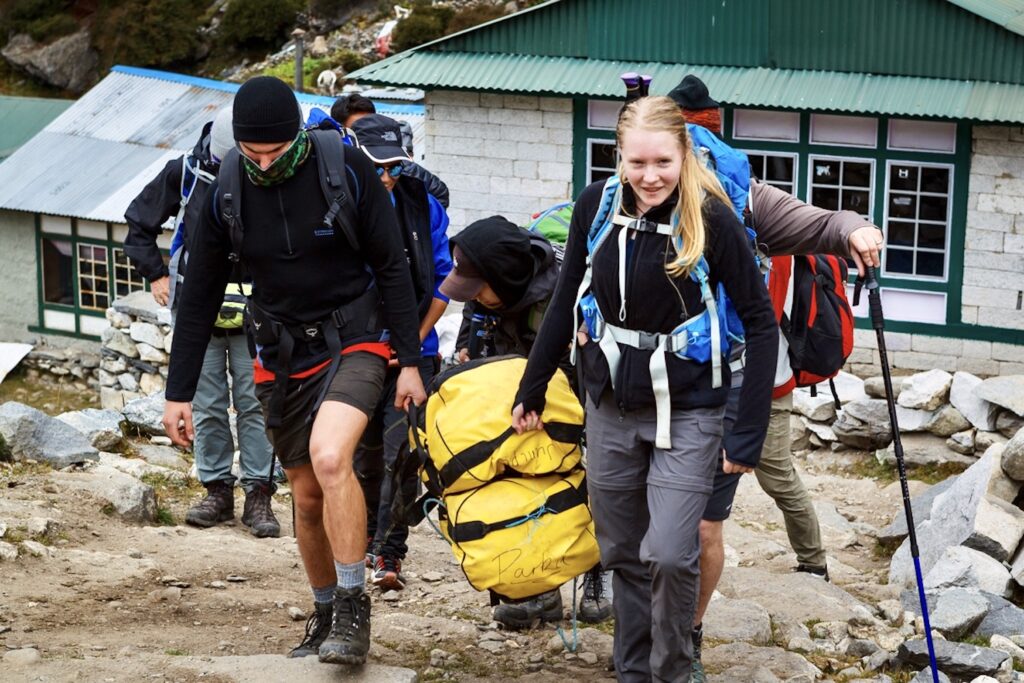
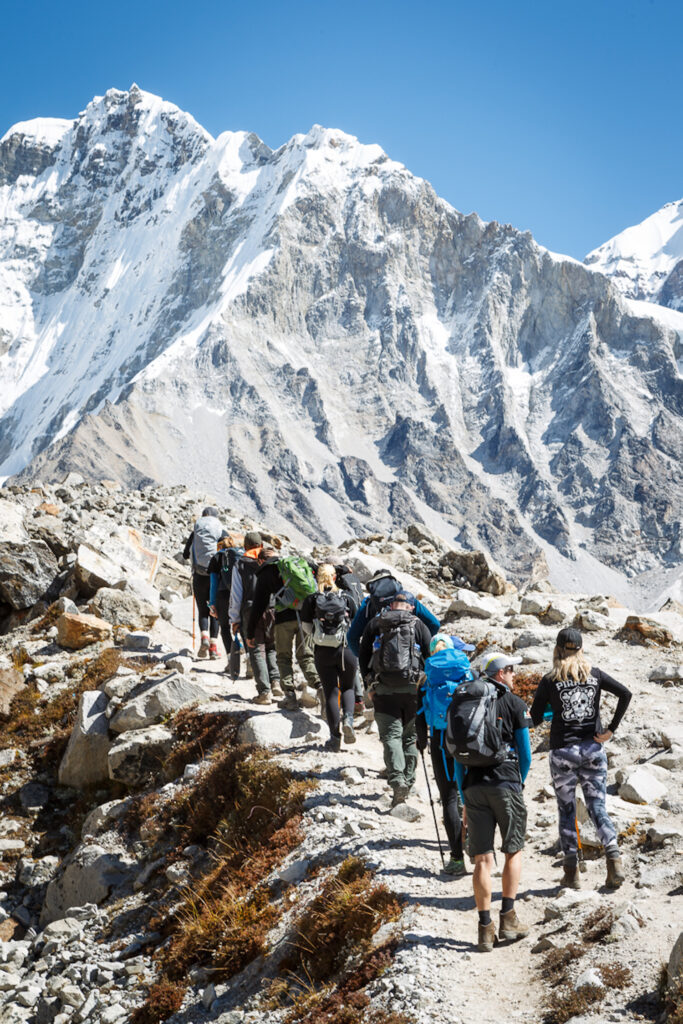
Our Everest Base Camp journey places young people into a completely unfamiliar environment where they are required to adapt, support each other, manage uncertainty and continue moving forward through challenge.
There are early mornings.
Long days walking.
Altitude.
Fatigue.
Changing conditions.
Moments where things feel difficult.
But there are also extraordinary rewards.
Laughter.
Connection.
Perspective.
Achievement.
Confidence.
And a genuine sense of growth.
This is why building resilience in teenagers works so effectively in environments like Nepal.
Young people are not simply told how to become resilient.
They experience it for themselves.
More Than Just An Everest Base Camp Trek
While Everest Base Camp is one of the most iconic trekking destinations in the world, the real impact of this journey often comes from everything that happens along the way.
The conversations between parents and teenagers.
The friendships formed within the group.
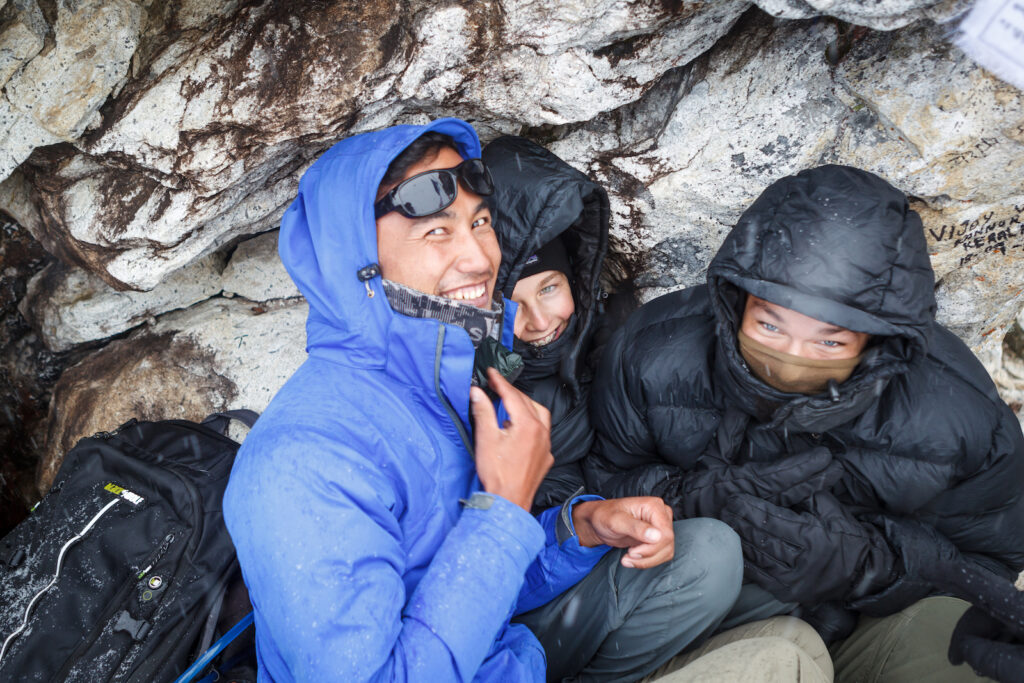
The support shown during difficult moments.
The confidence that comes from overcoming challenges together.
For many young people, this becomes the first time they truly step outside their normal routines and comfort zones for an extended period.
That experience can be transformative.
Many return home with greater self belief, maturity and perspective.
They begin to understand that discomfort is not something to avoid.
It is often where growth begins.
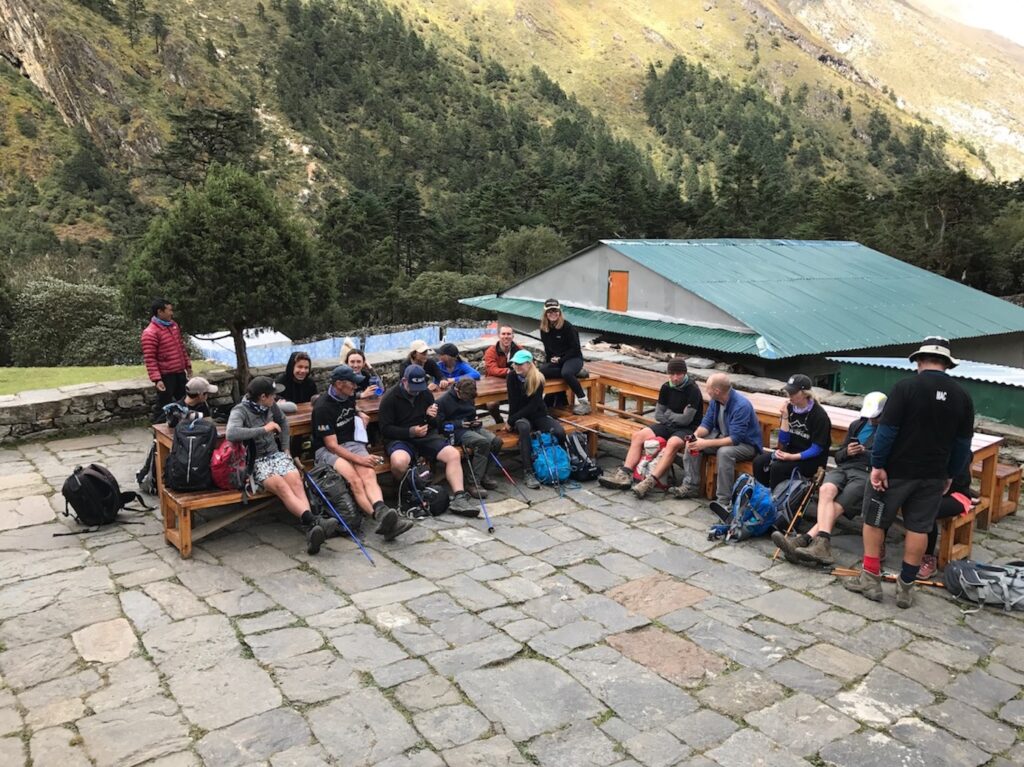
Watch The Trailer | Building Resilience In Teenagers
This short trailer captures the spirit of the journey through the voices and experiences of the young people themselves.
Their reflections provide an honest insight into what it feels like to step into an unfamiliar environment, face challenge and discover new levels of confidence and resilience along the way.
From the energy and excitement of the trek to the quieter moments of reflection, the experience often leaves a lasting impact on both the young people and their families.
Building Confidence Through Experience
One of the most powerful aspects of experiential resilience programs is that confidence is earned rather than given.
Young people begin to trust themselves because they have experienced challenge firsthand.
They learn they can keep moving forward when things become uncomfortable.
They learn they can adapt.
They learn they can support others.
They learn they are more capable than they thought.
These lessons are difficult to replicate in ordinary environments.
The Himalaya has a unique way of stripping life back to what really matters.
Connection.
Effort.
Teamwork.
Perspective.
Resilience.
The Influence Of Sherpa Culture
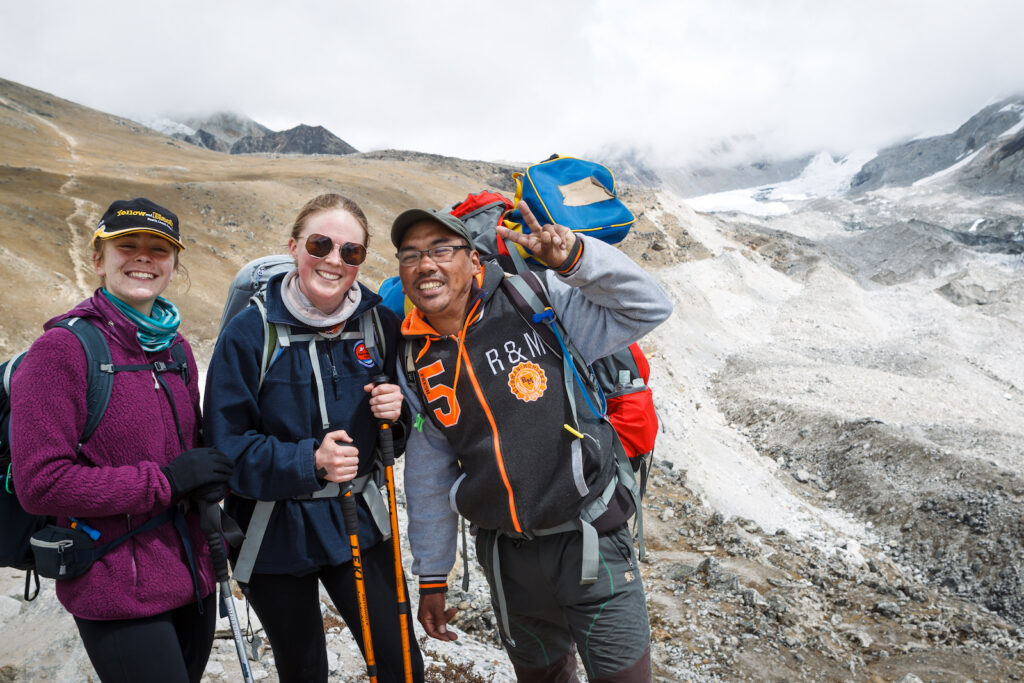
An important part of the experience is the opportunity for young people to spend time immersed in the culture and environment of the Khumbu region.
The Sherpa people are widely respected for their resilience, humility, teamwork and ability to remain positive in difficult environments.
For many young people, these interactions become one of the most meaningful parts of the journey.
They begin to see resilience not as toughness or ego, but as adaptability, connection and the ability to continue moving forward during uncertainty.
Shared Experiences Create Lasting Impact
One of the things that makes this program so special is that parents experience the journey alongside their teenagers.
Together they navigate airports, mountain trails, fatigue, uncertainty and achievement.
Together they disconnect from the pace of normal life and reconnect through shared experience.
For many families, the memories and conversations created during the journey continue long after returning home.
The challenge creates a bond that is difficult to replicate in everyday environments.
Why Adventure Based Experiences Matter
Young people today are growing up in an increasingly fast paced and highly connected world.
Opportunities to disconnect, slow down and experience genuine challenge are becoming increasingly rare.
Adventure based experiences like Everest Base Camp provide something very different.
They expose young people to uncertainty, responsibility, teamwork and environments that naturally encourage resilience and personal growth.
And importantly, they help young people realise that resilience is not built by avoiding discomfort.
It is built by learning how to respond to it.
An Experience That Stays With You
For many young people, Everest Base Camp becomes far more than a trek.
It becomes a defining life experience.
A moment where confidence grows.
Perspective changes.
Relationships strengthen.
And resilience begins to develop in a very real and lasting way.
Because sometimes the greatest growth happens when young people step away from what feels comfortable and discover what they are truly capable of.
🎥 Watch more videos from our Resilience for Teens Everest Base Camp programs