
Embracing uncertainty is one of the defining traits of resilient people. You can prepare well. You can invest time, energy, and effort. You can do everything right. And still, things change. Plans shift. Conditions evolve. Outcomes become unclear. That’s reality.
But resilience isn’t just built in the moments where uncertainty appears unexpectedly.
It’s built in the willingness to move toward it.
In our resilience training framework, Step 2 is not simply about managing uncertainty when it arrives. It is about developing the capacity and preparedness to embrace it when it presents, and even to seek out experiences where uncertainty becomes part of the learning.
This concept is explored in greater depth in Life’s Tough, Be Tougher, where David Buttifant and Nick Farr examine how resilience is built through real world experience, not theory alone. Across high performance sport, expeditions, and leadership under pressure, one thing becomes clear. Growth rarely happens in conditions of comfort and certainty. It happens when people are willing to move into the unknown.
Why Embracing Uncertainty Matters
Human beings are wired for certainty. We like structure and we especially like predictability. We like to know what’s coming next.
But growth doesn’t live there. Growth lives in the unknown.
Most people wait for uncertainty to be forced upon them but resilient people do something different. They place themselves into environments where the outcomes aren’t guaranteed. They step into situations where they don’t have full control. They expose themselves to challenge, discomfort, and changing conditions because they understand something important.
It is not uncertainty itself that holds people back. It’s the avoidance of it.
The Real Tension Is in Not Knowing
Think about the tension that builds when something is uncertain. A delayed flight. A decision waiting to be made. A situation where the outcome is unclear. It’s not just the inconvenience – it’s the discomfort of not knowing.
And yet, once clarity arrives, even if the outcome is not ideal, there’s often a sense of relief. That tells us something important. For many people, uncertainty itself is harder to deal with than the outcome. And this is exactly why embracing uncertainty is so important.
What Uncertainty Really Looks Like
The Khumbu Icefall on Mount Everest is the most dangerous section of the climb.
It’s a constantly moving glacier with crevasses opening and closing without warning.
Aluminium ladders span gaps that drop deep into the ice.
The entire Icefall moves close to a metre every day and there is no way to control it. Only a way to move through it.
In 2005, when I climbed Everest, our small team moved through the Icefall a total of 16 times. Eight times on the way up. Eight times on the way down.
By today’s standards, that’s a significant amount of exposure. Modern expeditions now reduce that risk, limiting crossings to two or three rotations wherever possible. And that makes good sense from a safety perspective.
But it also highlights something important.
Human-beings are constantly looking for ways to remove uncertainty. Yet it’s often through repeated exposure to uncertainty that capability is built. In this footage, I’m moving through the Icefall during one of those crossings. There’s no certainty here. Every step requires focus. Every movement is deliberate. I’m not thinking about the summit. I’m thinking only about the next step.
What This Teaches About Embracing Uncertainty
At this level, uncertainty strips everything back. There’s no room for overthinking and no space for distraction. No illusion of control. Only presence and response.
And while the environment is extreme, the principle isn’t. Because uncertainty shows up everywhere. In leadership. In business. In life. The environment changes and the stakes vary. But the requirement is the same.
To stay composed. To make decisions without perfect information. To keep moving forward.
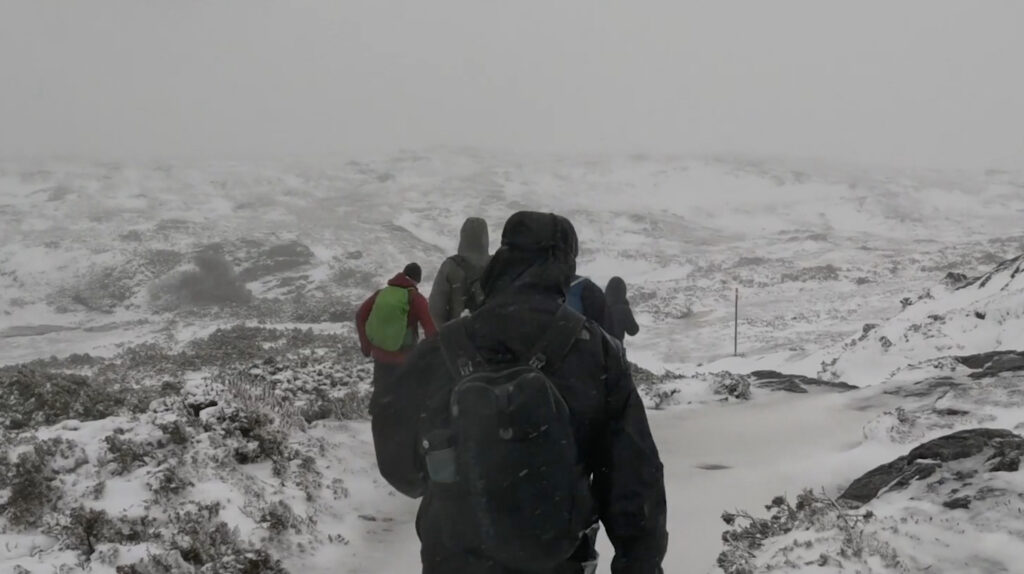
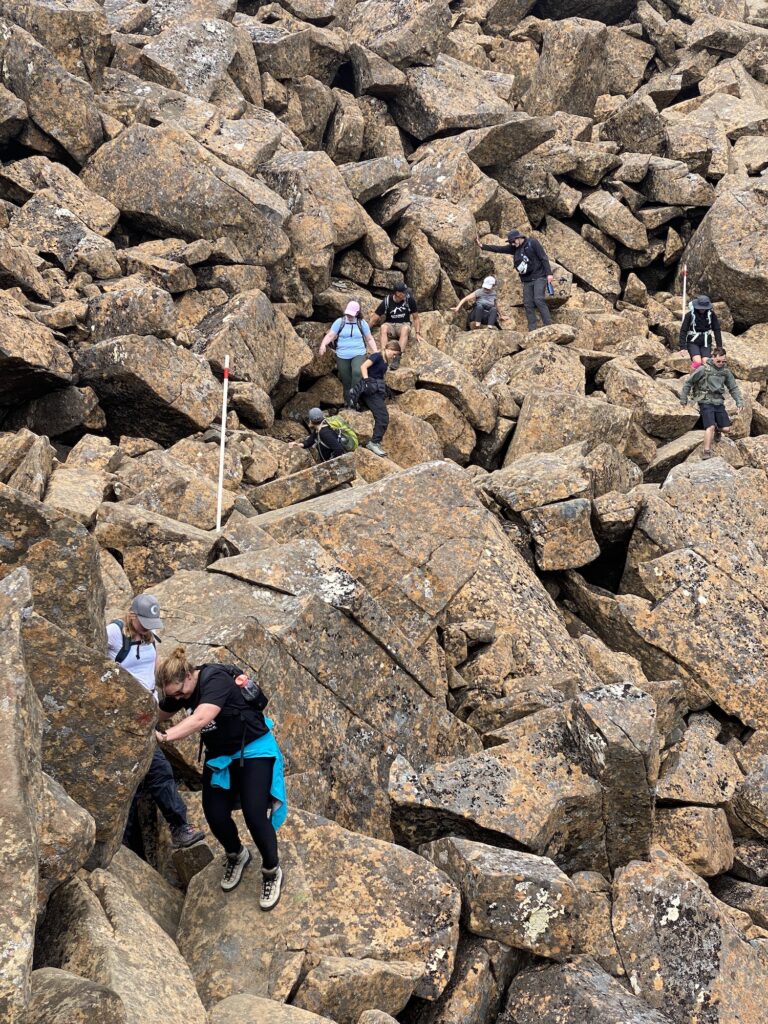
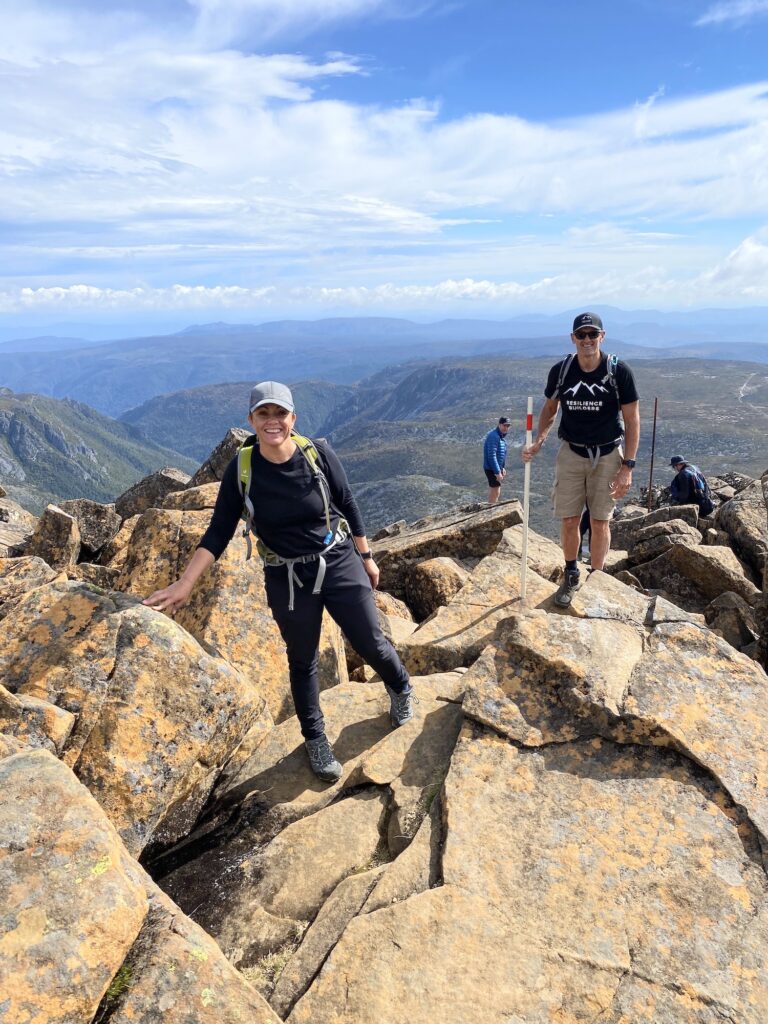
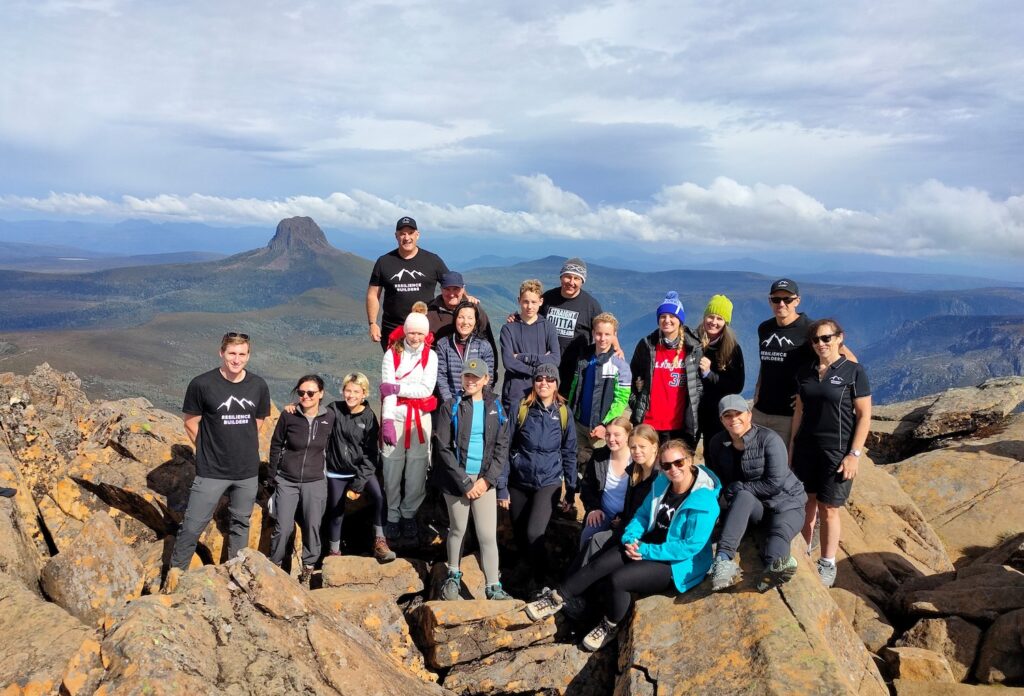
Closer to home and some images below from a Resilience Builders family program in Tasmania. Plenty of uncertainty to be encountered on a climb of Cradle Mountain and the same principles in action.
A Few Practical Anchors For Embracing uncertainty
There are a few simple strategies I relied on in the Icefall to manage uncertainty and stay composed.
Not complex systems – just small anchors that kept things under control.
Focus on the next step, not the entire climb.
Slow everything down when the pressure builds.
Stay present to what is in front of you, rather than what might go wrong.
Trust your preparation, but adapt to what’s actually happening.
These strategies aren’t unique to mountaineering.
They apply in any environment where conditions are uncertain and outcomes aren’t guaranteed.
Why This Matters for Teams and Leaders
In any workplace, uncertainty is constant.
Priorities shift. Pressure builds. Information is incomplete.
Yet many teams are still conditioned for certainty.
This is where a resilience training framework becomes critical.
Because teams that build a willingness to embrace uncertainty are able to:
- Stay composed under pressure
- Make decisions without perfect information
- Adapt without losing momentum
- Support each other through challenge
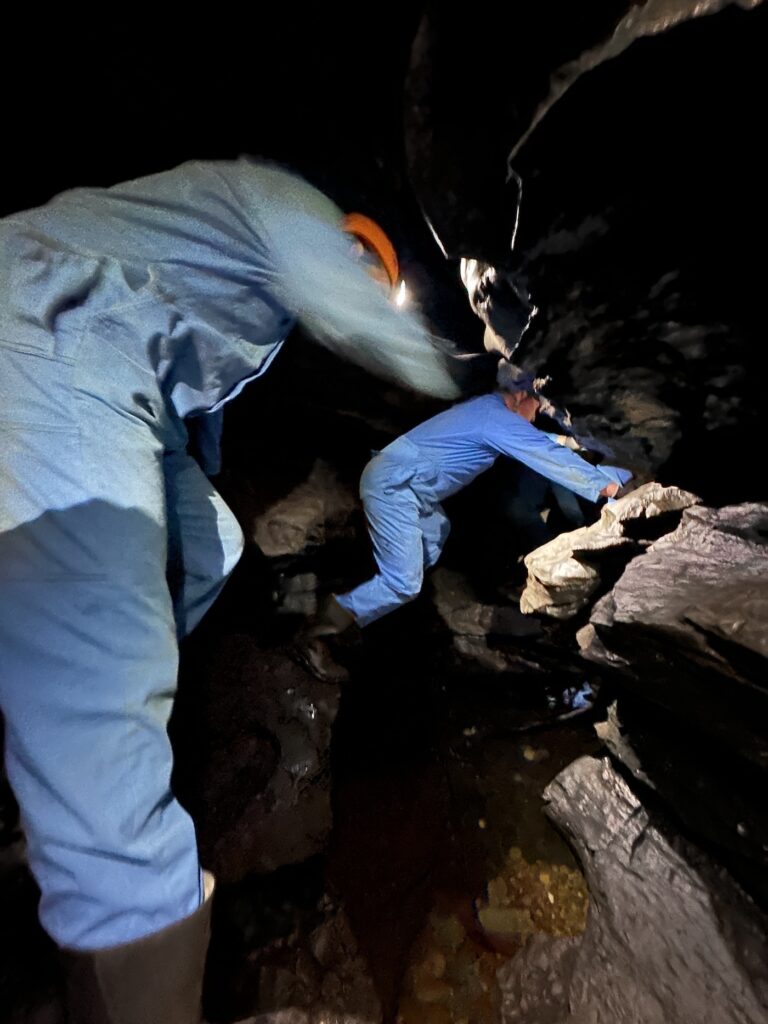
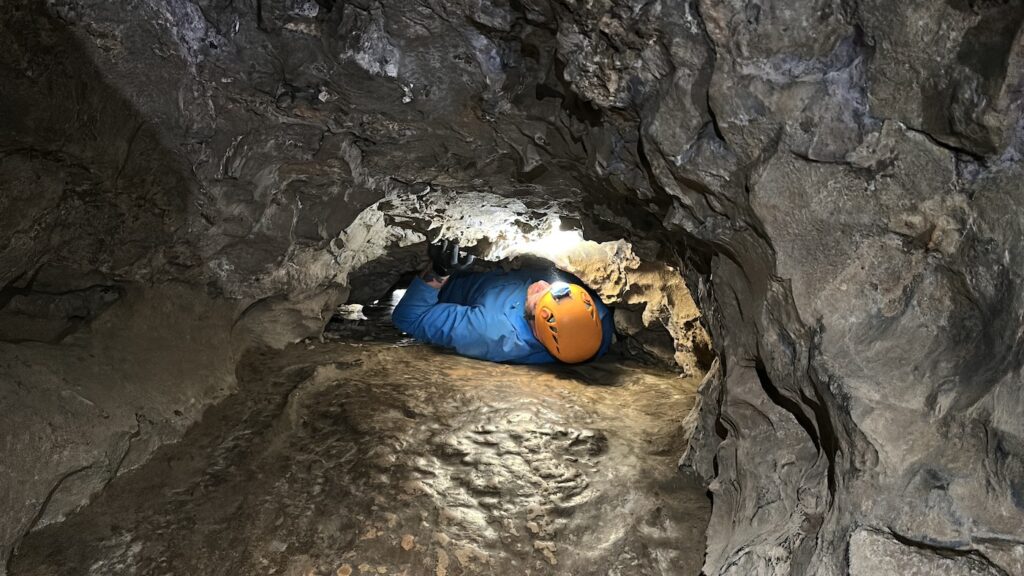
This isn’t theory. It’s capability built through experience.
How Uncertainty Fuels Psychological Recovery
From our book, Life’s Tough, Be Tougher…
Uncertainty is not just a hurdle to be overcome; it is the very environment in which resilience is born. Psychological recovery thrives in this space, because facing the unknown forces us to adapt, reflect and grow. It challenges us to find stability within ourselves, even when the world around us feels unpredictable.
Instead of viewing discomfort and uncertainty as obstacles, what if we reframed them as necessary steps on the path to resilience? After all, it is not the absence of struggle that defines us, it is how we rise in response to it.
The Next Step: Risk
Investment builds the foundation and embracing uncertainty builds adaptability. But there comes a point where standing still is no longer an option.
Because uncertainty, on its own, doesn’t create progress. At some stage, you have to move.
You have to decide and step forward. Commit to a direction, even when the outcome is not guaranteed.
This is where momentum truly begins.
Because resilience isn’t just about staying steady.
It is about being willing to act.
In the next step of our resilience training framework, we explore Risk.
And why the willingness to step forward, without certainty, is where real growth begins to accelerate.
👉 Learn about our resilience training programs