
If you search for the term psychological safety definition, you will likely find a short explanation. Usually, it describes a workplace where people feel safe to speak up without fear of negative consequences.
That is a good starting point. But the reality goes much deeper.
In practice, psychological safety shapes how people behave, how teams communicate, and how organisations perform under pressure. It is not just a concept. It is something people feel every day at work.
At Resilience Builders, we see it as a foundation for both wellbeing and performance.
Psychological Safety Definition Explained
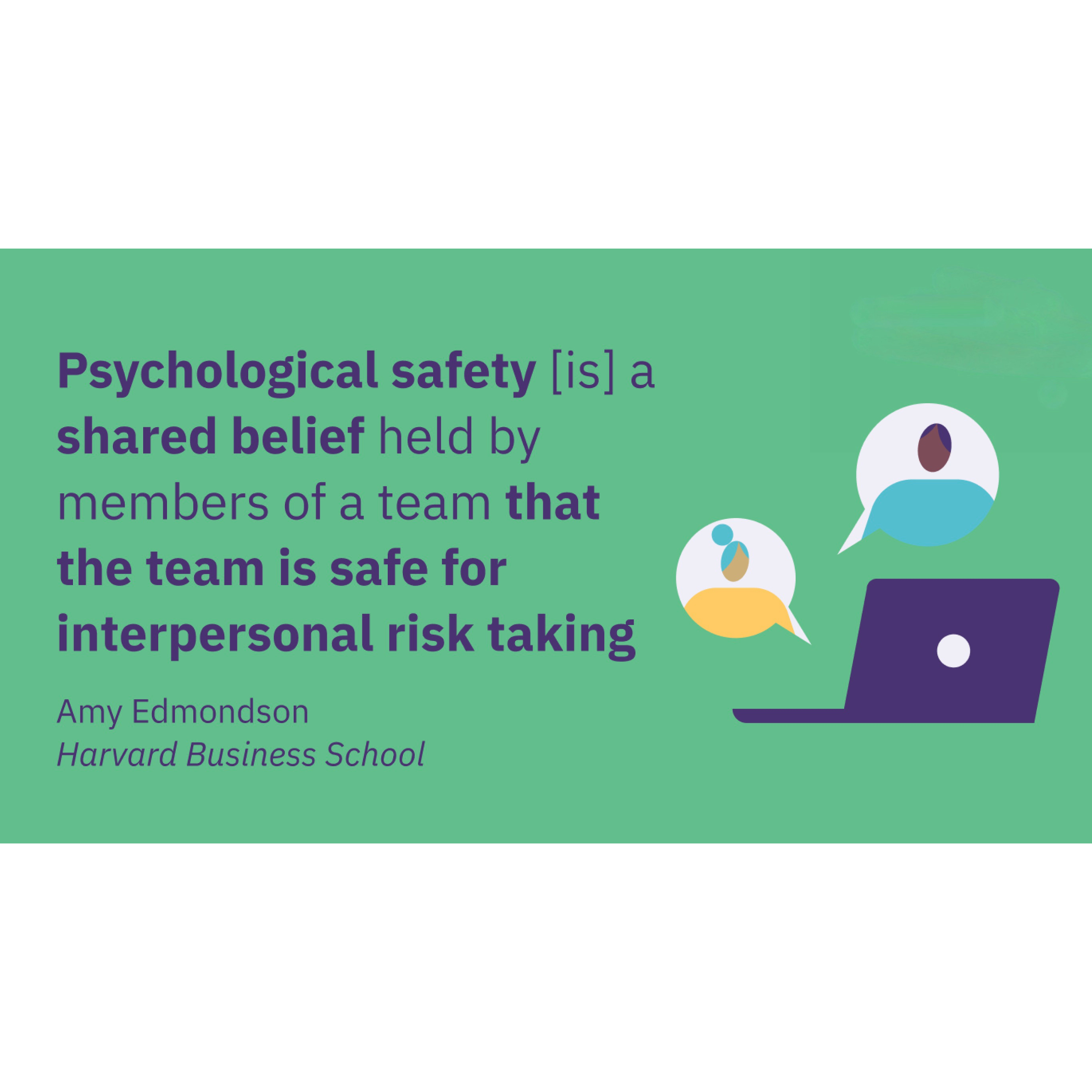
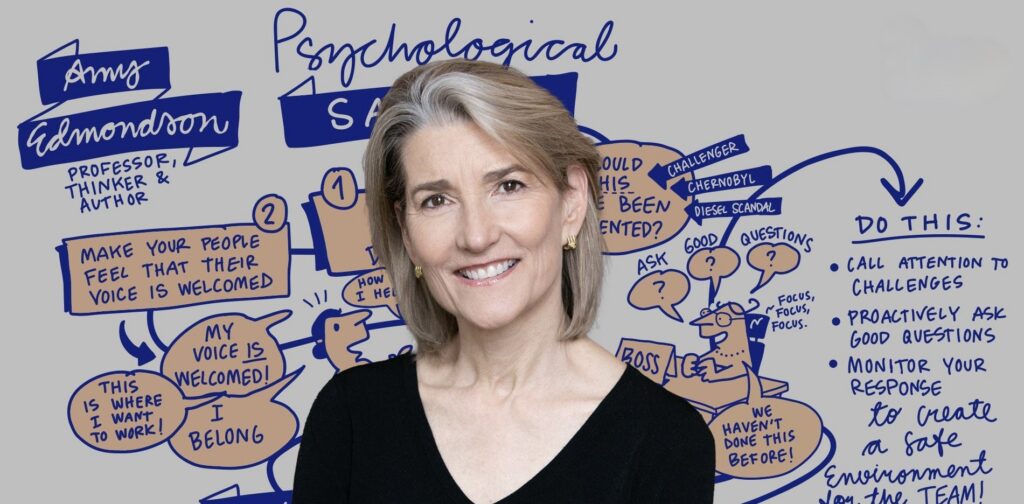
The modern understanding of psychological safety comes from research by Harvard professor Amy Edmondson, who described it as a shared belief that a team is safe for interpersonal risk taking.
In simple terms, it means people feel confident to:
- Speak up with ideas
- Ask questions
- Admit mistakes
- Challenge thinking
without fear of embarrassment or punishment.
If you want a deeper look at how this applies in real environments, explore our psychological safety workplace programs.
Why Psychological Safety Matters at Work
Understanding this concept is critical for modern workplaces.
When psychological safety is low:
- People stay quiet
- Problems go unspoken
- Mistakes are hidden
- Stress increases
When it is high:
- Communication improves
- Teams solve problems faster
- Learning accelerates
- Performance lifts
This is why organisations are now linking psychological safety directly to performance outcomes, not just wellbeing.
For a broader overview, see our main psychological safety page where we break down how it applies across teams and leadership.
Psychological Safety Does Not Mean Comfort
A common misunderstanding is that it is about being comfortable all the time.
It is not.
Psychological safety is about trust, not comfort.
In strong teams, people still:
- Have difficult conversations
- Challenge ideas
- Hold each other accountable
The difference is that these conversations happen with respect and shared intent, not fear.
What It Looks Like in Real Teams
The concept becomes clearer when you see it in action.
In teams without it:
- People hesitate to speak up
- They second guess decisions
- They avoid sharing concerns
In teams where it is strong:
- People contribute openly
- They raise issues early
- They support each other under pressure
This is especially important in high pressure environments where silence can lead to serious consequences.
How Leaders Build Psychological Safety
Knowing the definition is one thing. Building it is another.
Leaders set the tone.
Here are practical ways to create it:
Model vulnerability
Leaders who admit mistakes create permission for others to do the same.
After completing his second resilience development program with Resilience Builders in Tasmania, Joe Sollis shares a raw and honest perspective on what vulnerability really looks like in leadership – and why it matters more than ever.
Ask for input
Consistently invite perspectives, especially from quieter team members.
Respond constructively
How you react under pressure determines whether people will speak up again.
Focus on learning
Treat mistakes as opportunities, not failures.
If you are working within compliance frameworks, this also aligns strongly with ISO 45003 guidelines around managing psychosocial risk at work.
Psychological Safety and High Performance
There is a misconception that this lowers standards.
In reality, it raises them.
When people feel safe:
- They take more ownership
- They engage more deeply
- They perform more consistently
It strengthens accountability because people are more willing to take responsibility and contribute fully.
Moving Beyond the Definition
The definition is only the starting point.
Real impact comes from how it shows up daily:
- In meetings
- In leadership behaviour
- In team conversations
- In moments of pressure
It is built through consistent action, not policy statements.
It is something people experience, not something organisations simply declare.
Final Thought
You can understand the psychological safety definition in a few sentences.
But building it takes intention.
The question is simple:
Do your people feel safe to speak up?
Because that is where performance, trust, and resilience truly begin.
🎥 Watch videos from our psychological safety collection