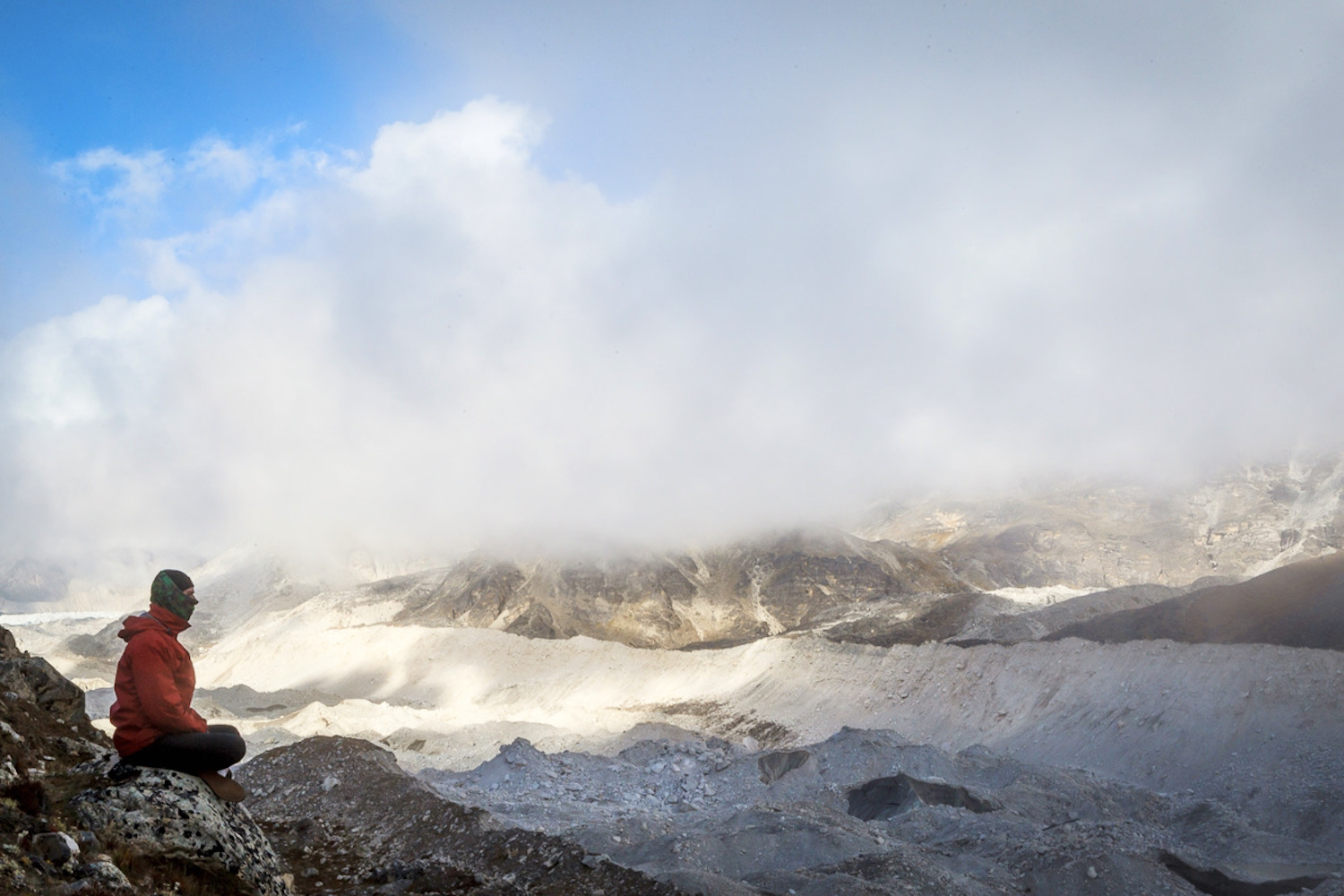
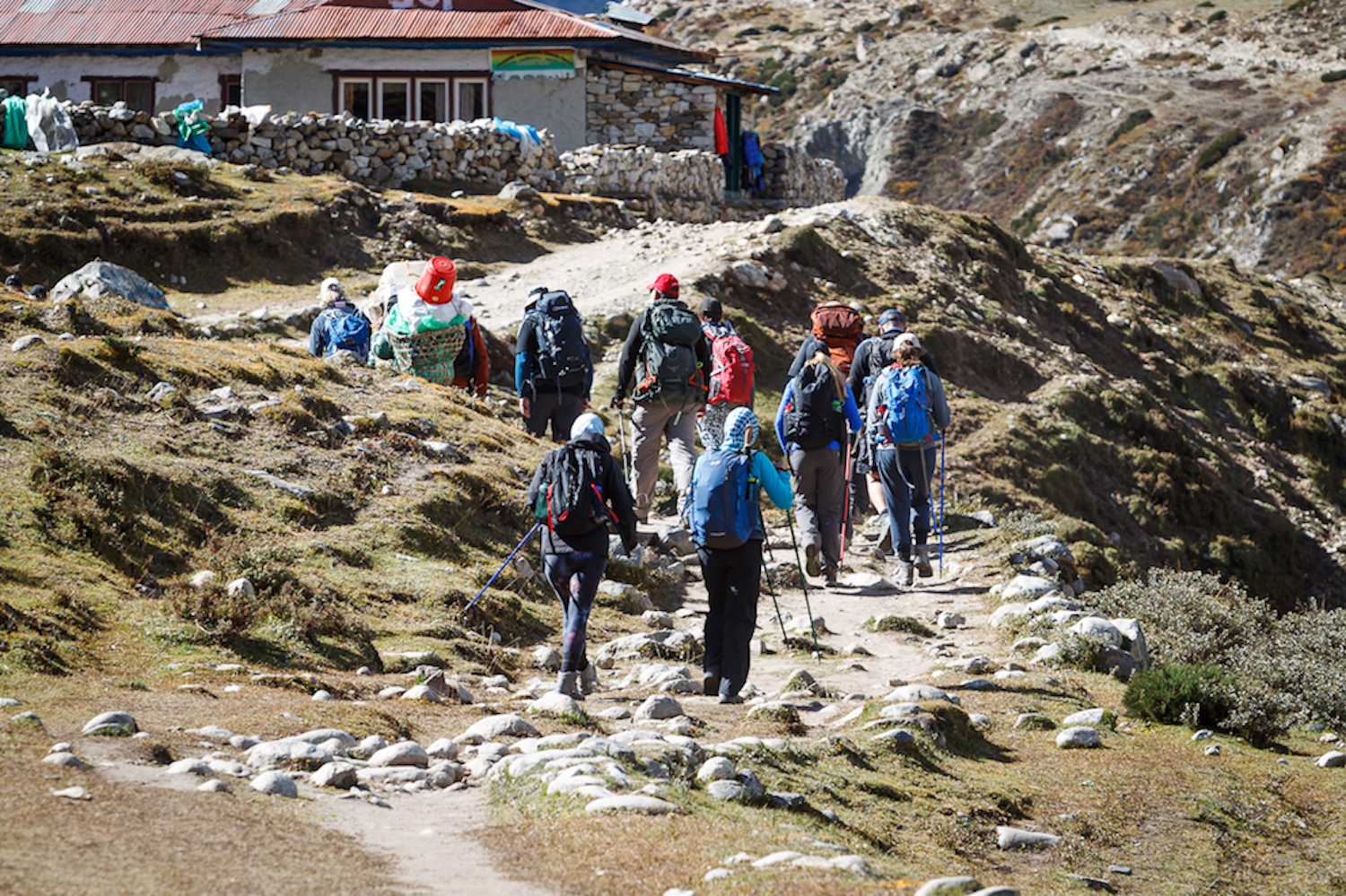
Resilience training for teenagers is most powerful when young people are challenged, stretched and exposed to unfamiliar environments that require them to adapt and grow.
And there is something powerful that happens when parents and teenagers step away from everyday life and experience genuine challenge together.
No routines.
No school pressures.
No work distractions.
No phones constantly competing for attention.
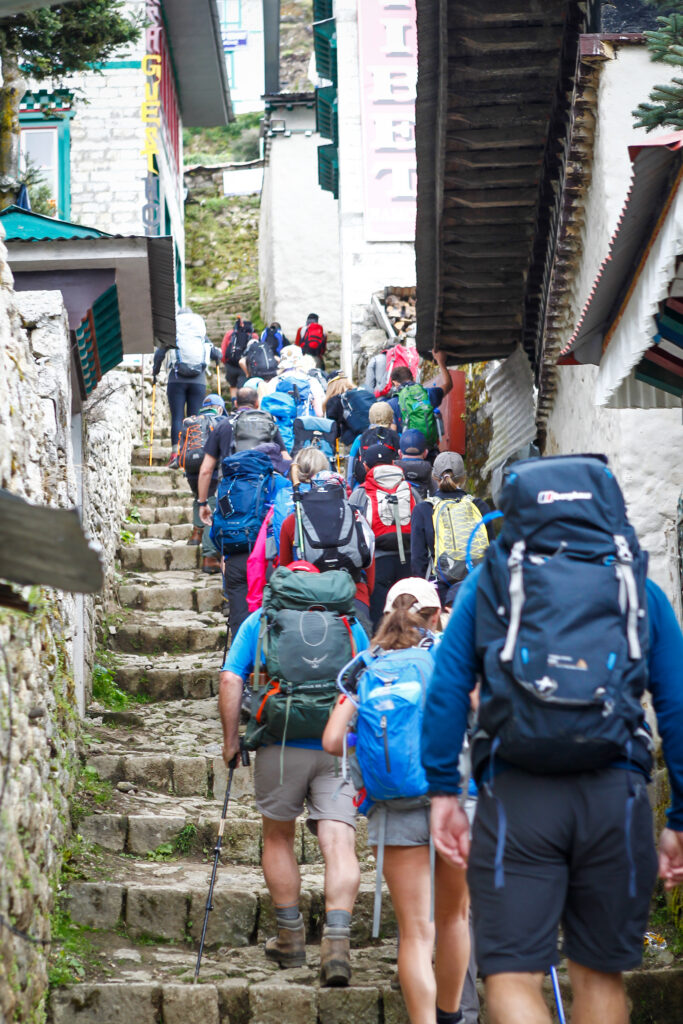
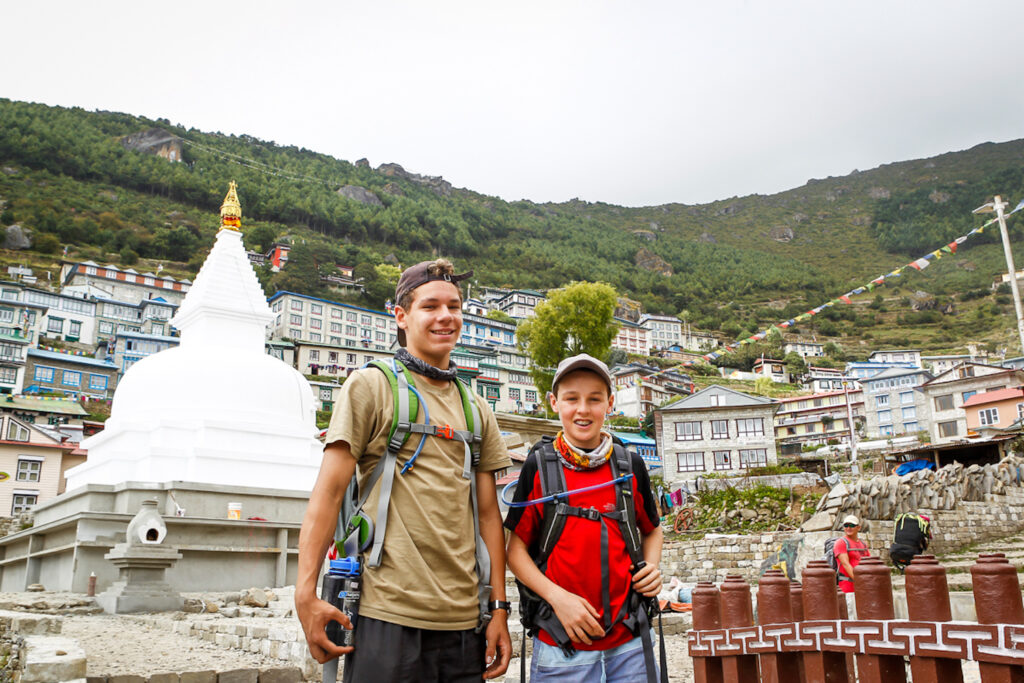
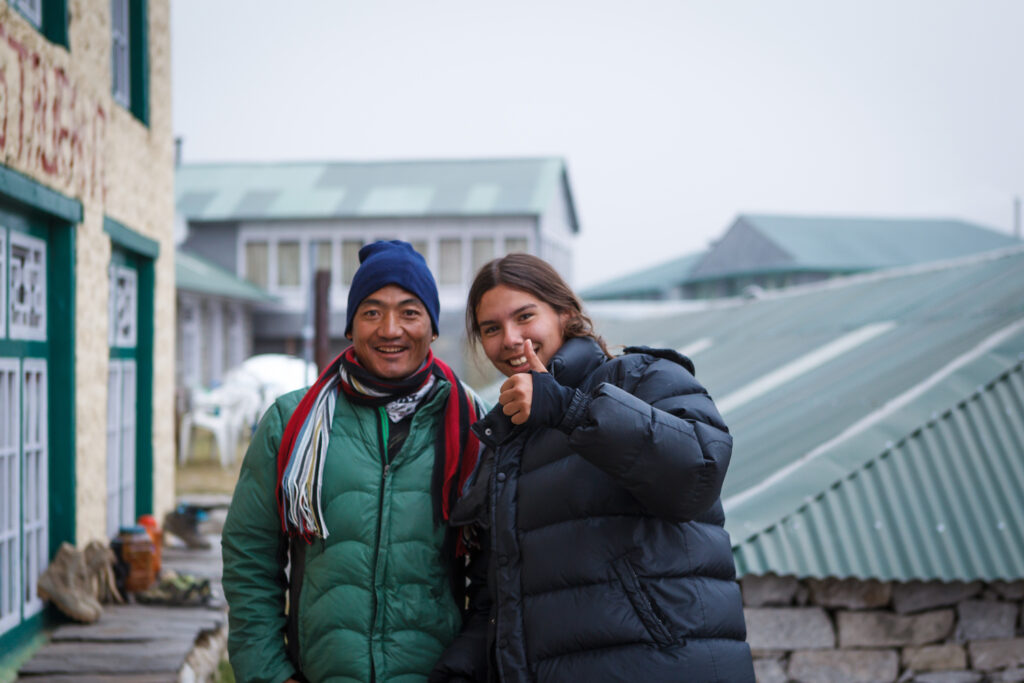
Just shared experience, uncertainty, discomfort, conversation and time together.
That is one of the reasons our Everest Base Camp program has become such a meaningful resilience training experience for the many families who join us.
This is not simply a trek through the Himalaya.
It’s an opportunity for young people and their parents to step into an unfamiliar environment together and experience personal growth, connection and resilience in a very real and practical way.
At the end of each journey, we sit down with both the parents and the young people and ask them a series of questions about the experience.
Two questions consistently stand out.
“How has this journey impacted your relationship?”
And for the young people:
“What have you learned about yourself?”
The answers are always emotional, reflective and deeply honest.
Why Shared Challenge Builds Resilience
Modern life can make genuine connection surprisingly difficult.
Families are busy.
Teenagers are navigating enormous social and academic pressures.
Parents are often balancing work, responsibility and the constant pace of everyday life.
Even in close families, meaningful uninterrupted time together can become rare.
That changes quickly in the mountains.
In Nepal, families walk side by side for days at a time through remote Sherpa villages and extraordinary Himalayan landscapes.
There are long conversations.
Shared meals.
Moments of discomfort.
Moments of laughter.
Moments where people simply need to support each other and keep moving forward.
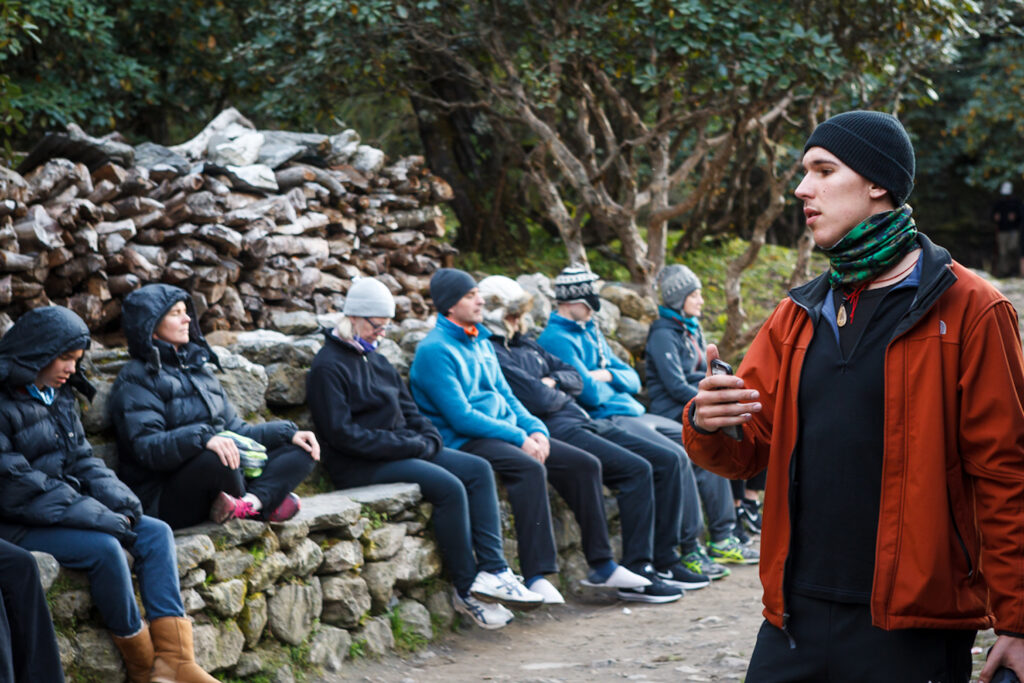
It’s in these moments that resilience begins to develop naturally.
Not through theory or lectures, but through lived experience.
Young people begin to realise they’re capable of far more than they thought.
Parents begin to see qualities in their teenagers that everyday life sometimes hides.
Confidence.
Adaptability.
Kindness.
Perseverance.
Leadership.
Humility.
This is why resilience training for teenagers is becoming increasingly important for families wanting to help young people build confidence, adaptability and perspective through real world experience.
And challenge based experiences are so effective because they place people in environments where resilience must be practiced in real time.
👉 Learn more about our broader approach to resilience training and how we help individuals and teams build the ability to adapt and perform under pressure.
How Shared Challenge Impacted Parent And Teenager Relationships
At the completion of the Everest Base Camp journey, we asked parents a simple question:
“How has this experience impacted your relationship with your son or daughter?”
The responses were honest and incredibly powerful.
Many spoke about the value of uninterrupted time together away from normal distractions. Others reflected on seeing new levels of confidence, resilience and maturity emerge in their teenagers throughout the journey.
This short video captures some of those reflections.
What Teenagers Often Learn About Themselves
One of the most powerful parts of the program is hearing young people reflect on their own growth at the end of the trek.
Many speak about discovering a level of resilience and confidence they didn’t know they possessed.
For some, it’s learning they can handle discomfort and uncertainty far better than they expected.
Others talk about learning the importance of teamwork, patience and supporting the people around them.
Some simply gain confidence from achieving something difficult and meaningful.
One of the strengths of resilience training for teenagers in environments like Nepal is that the lessons are experienced firsthand rather than simply discussed in theory.
Reaching Everest Base Camp isn’t easy.
There are early mornings, physical fatigue, changing weather, altitude and moments where things feel uncomfortable.
Yet these challenges are often exactly what make the experience so valuable.
Young people learn that growth doesn’t happen in comfortable environments.
They learn that resilience is not about pretending things are easy.
It is about continuing to move forward, adapting to challenges and learning how to respond when things don’t go to plan.
The Importance Of Exposure To New Environments
One of the key elements of resilience development is exposure to new environments and unfamiliar situations.
For all the teens that join this program, Nepal provides a completely different perspective on life.
The culture, the people, the mountains and the simplicity of life in the Khumbu region often leave a lasting impression.
Young people return home with a greater sense of gratitude and perspective.
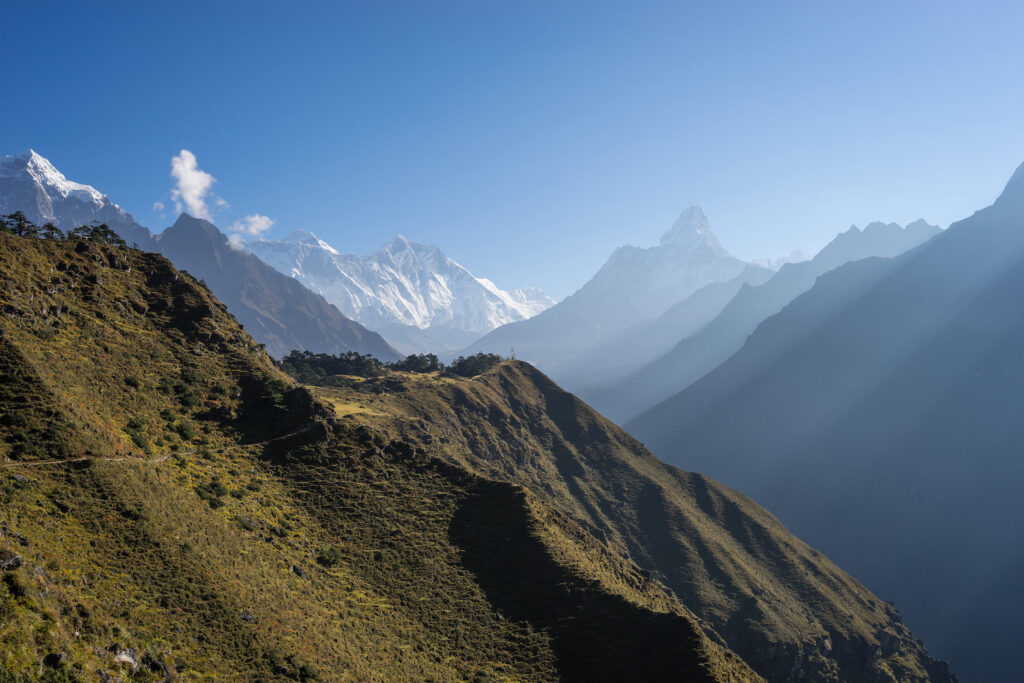
They begin to understand that resilience is not simply an individual trait.
It is also shaped by community, connection and the people around us.
The Sherpa people demonstrate this beautifully.
Their warmth, humility, teamwork and ability to remain positive in difficult environments often become one of the most impactful parts of the experience for both parents and teenagers alike.
An important part of this experience is creating an environment where young people feel supported, heard and safe to step outside their comfort zone. This connects closely to the concept of psychological safety and the role it plays in confidence, growth, communication and resilience development.
What Teenagers Learned About Themselves
One of the most powerful parts of this resilience training for teenagers program is hearing directly from the young people themselves at the end of the journey.
When asked what they had learned about themselves through the experience, many spoke about confidence, resilience, adaptability and discovering they were capable of more than they expected.
These reflections provide a genuine insight into how challenge, discomfort and shared experience can help young people grow.
What Parents Notice
The parents who join these journeys are often just as impacted as the young people themselves.
Many speak about how valuable it was to spend uninterrupted quality time together away from the noise of normal life.
Not rushed.
Not distracted.
Just present together.
Parents often describe seeing a different side of their teenager emerge during the trek.
They see them adapting to difficulty.
Supporting others.
Showing resilience under pressure.
Building friendships.
Taking responsibility.
Finding confidence.
For many families, the experience creates conversations and connection that continue long after returning home.
The shared challenge creates a bond that is difficult to replicate in ordinary environments.
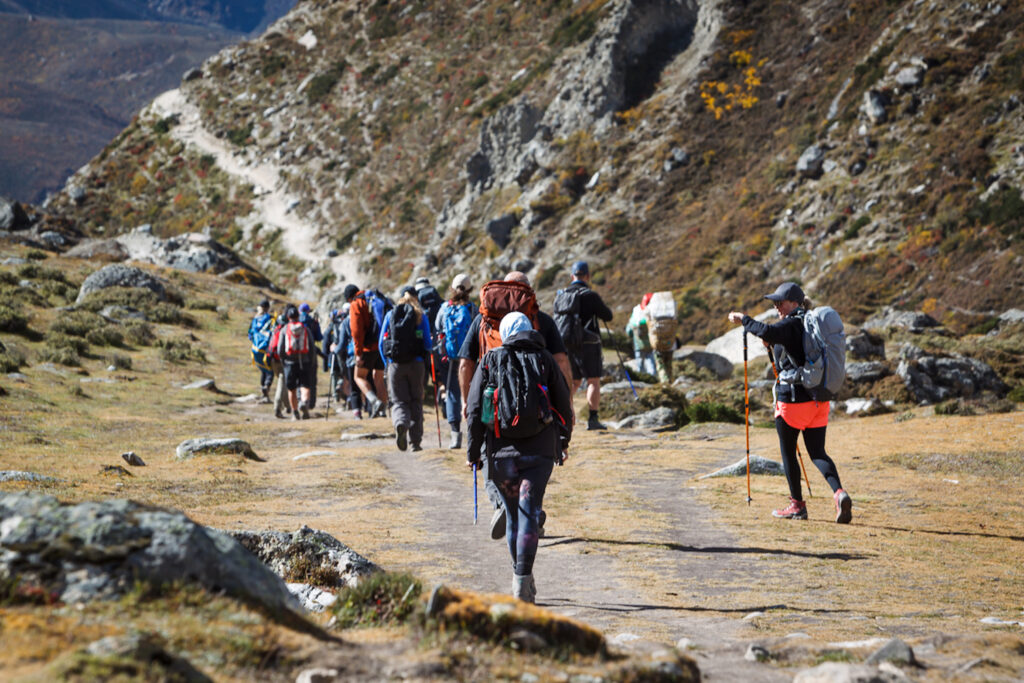
Resilience Is Built Through Experience
There is growing awareness around the importance of resilience training for teenagers.
But resilience isn’t something that develops simply by talking about it.
It develops through experience.
Through uncertainty.
Through challenge.
Through discomfort.
Through learning how to adapt and keep moving forward.
This is why experiential programs are so powerful for young people.
When teenagers experience challenge in supportive environments, they begin to build genuine confidence in themselves and their ability to navigate adversity.
Not because somebody told them they were resilient.
But because they experienced it firsthand.
More Than Just An Everest Base Camp Trek
While the destination itself is iconic, the real value of this journey often lies in everything that happens along the way.
The conversations.
The shared effort.
The uncertainty.
The support.
The growth.
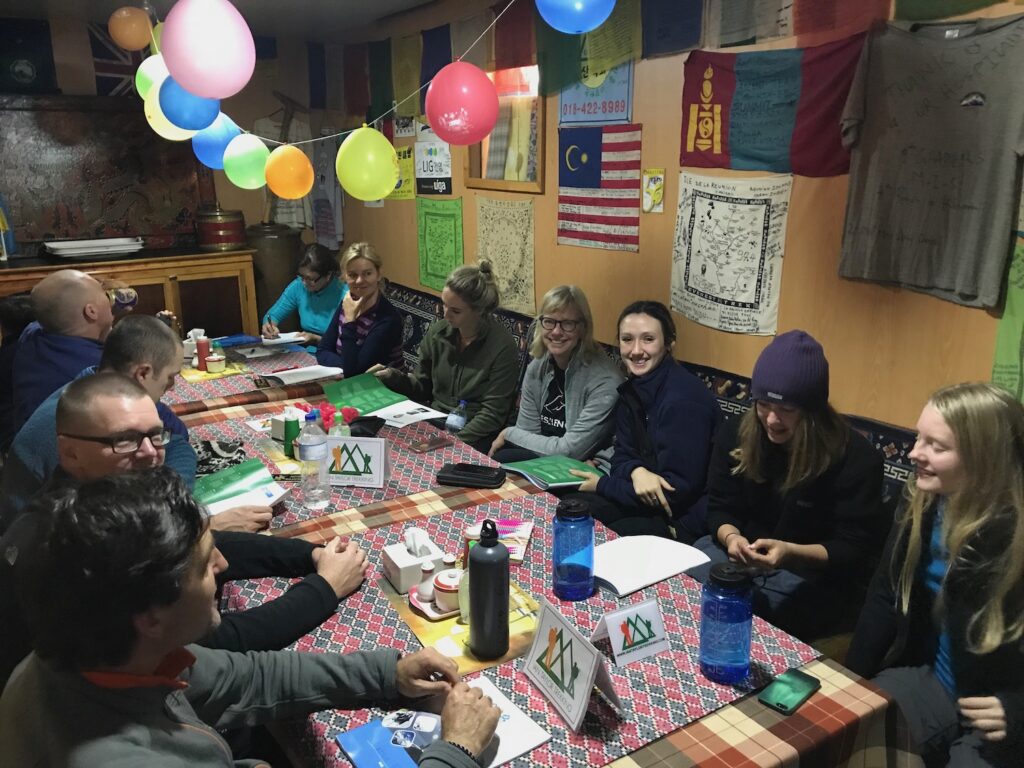
For many families, this becomes far more than a trekking experience.
It becomes a formative life experience shared together at an important stage in a young person’s life.
And long after the trek finishes, many families continue talking about the lessons learned in the mountains.
Because resilience is rarely built through comfort alone.
Sometimes it is built one step at a time on a trail in the Himalaya, surrounded by challenge, connection and perspective.
🎥 Watch more videos from our Resilience for Teens Everest Base Camp Program