
Risk and resilience sit at the centre of growth, shaping how we respond when things feel uncertain, uncomfortable, and just outside our control.
This is the third step in our five step framework for building resilience from our book Life’s Tough, Be Tougher. If step one is investment, and step two is uncertainty, then step three is where things become real.
Because when uncertainty is present, risk is never far behind.
And this is where many people pull back.
Why Risk Is Essential for Resilience
Risk and resilience are closely linked. You simply cannot build one without the other.
Risk shows up in many forms. Physical risk. Emotional risk. Social risk. Career risk. Reputational risk. Even creative risk. Every time you step into something uncertain, you are also stepping into some level of exposure.
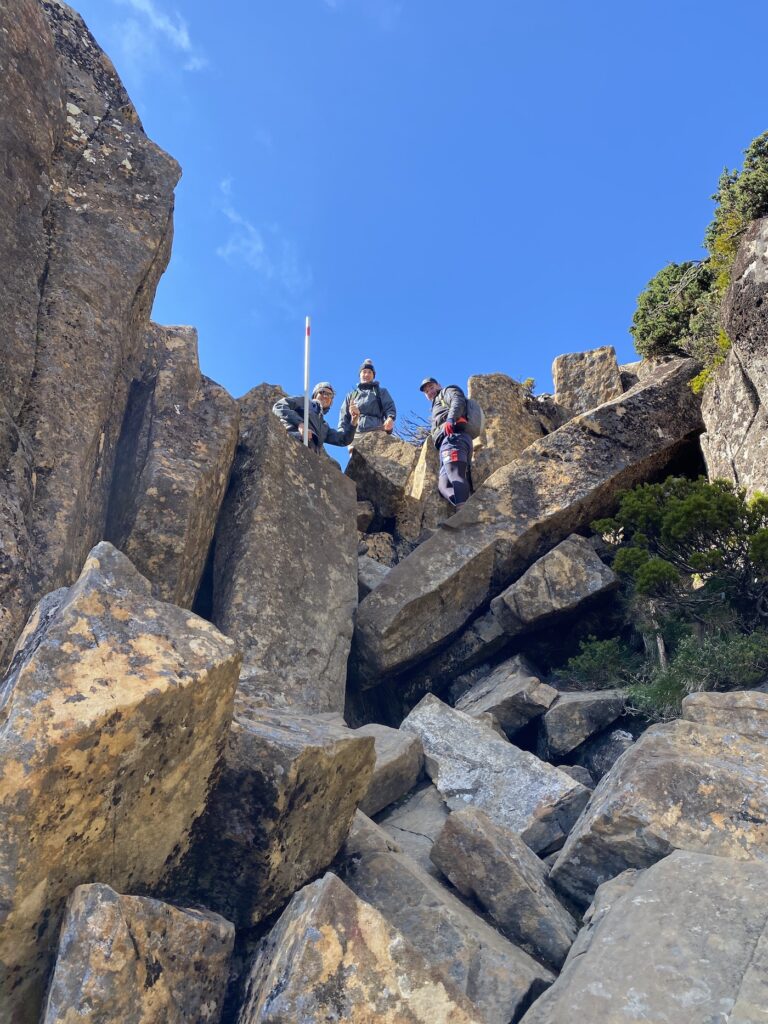

For some people, that feels exciting. For others, it feels uncomfortable, even threatening.
But here’s the reality. Risk is not something to avoid. It is something to understand, manage and embrace.
Without it, there is no growth.
Without it, there is no edge.
Without it, resilience has nothing to push against.
The Role of Risk in Growth
In many cases, it’s the presence of risk that makes an activity meaningful.
Think about skiing.
When you first start, everything feels risky. The slope looks steep. The snow feels unpredictable. Falling is almost guaranteed. There is discomfort, frustration, and a constant sense that things could go wrong.
But something interesting happens over time.
As your skill improves, your relationship with risk changes.
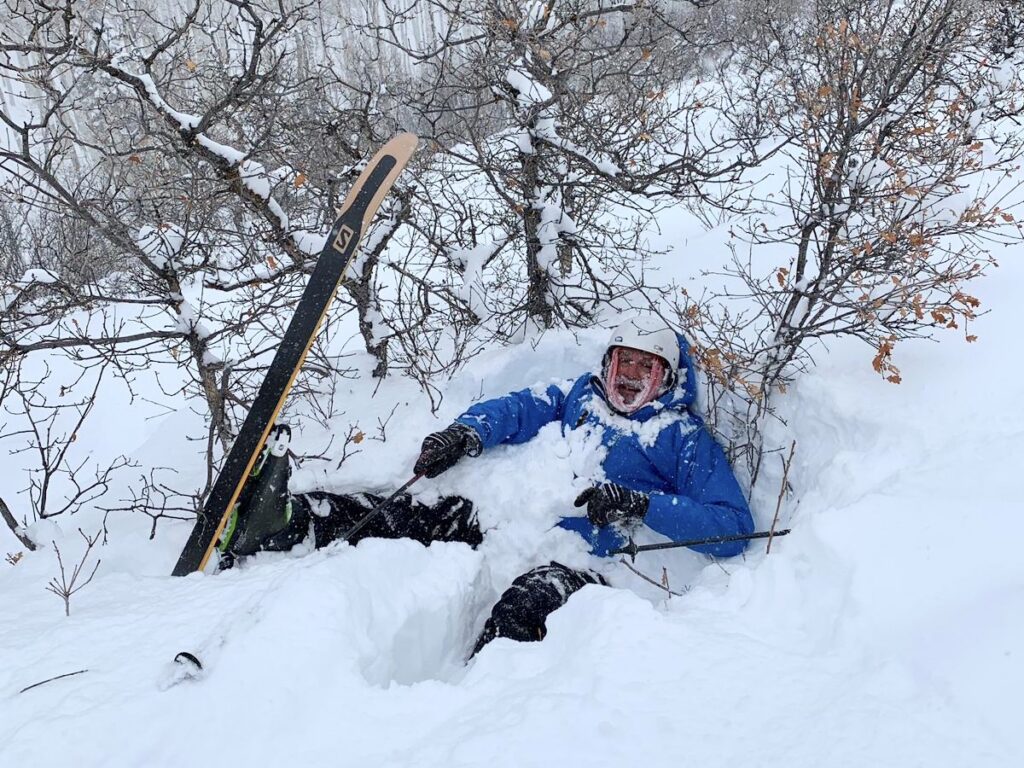
The risk doesn’t disappear. You simply become better at managing it.
Your focus sharpens. Your movements become more controlled. The fear begins to fade and is replaced by engagement. Eventually, what once felt intimidating becomes enjoyable.
This pattern shows up everywhere.
Public speaking. Leading a team. Having a difficult conversation. Starting something new.
At the beginning, the risk feels overwhelming.
With experience, it becomes manageable.
And with that shift comes confidence.
Risk Forces Focus and Engagement
A well managed level of risk has a powerful effect on the human system.
It sharpens attention.
It demands presence.
It increases effort.
When there’s something at stake, people show up differently.
This is why risk plays such a critical role in both performance and resilience. It creates a level of engagement that low stakes environments simply cannot replicate.
You see it in the mountains all the time.
Sherpa mountaineers operate in high consequence environments where the margin for error is small. Their ability to assess, adapt and act is not a superpower. It’s built through repeated exposure to risk, combined with experience and sound judgement.
The same principle applies in everyday life.
The more we are willing to engage with risk in a considered way, the more capable we become.
What this looks like in the real world is often messy, uncomfortable, and uncertain. This short clip from one of our Tasmania programs captures a group stepping into risk together and what happens when they choose to move through it, not around it.
Risk Management vs Avoiding Risk
This is where the conversation often gets confused.
Most people associate risk with something negative. The natural instinct is to eliminate it completely.
That’s not realistic.
And in many cases, not helpful.
What Risk Management Actually Means
Risk management is not about removing all risk. It is about understanding it, preparing for it, and making better decisions within it.
In a workplace context, this includes identifying hazards, assessing potential impact, and taking steps to reduce unnecessary exposure. This is particularly important when it comes to psychosocial risks, where factors like workload, poor communication, and lack of support can affect mental health and performance.
But there is a balance.
The Danger of Over Mitigating Risk
When organisations or individuals focus only on mitigating risk, they can unintentionally remove the very challenges that drive growth.
People stop speaking up.
Teams avoid difficult conversations.
Leaders become overly cautious.
Innovation slows.
This is where psychological safety becomes critical, creating an environment where people feel safe to take appropriate risks, speak up, and contribute.
Psychological safety does not mean the absence of risk. It means creating an environment where people feel safe to take appropriate risks. To speak up. To challenge ideas. To try and sometimes fail without fear of unnecessary consequences.
This is where real growth happens.
Embracing Risk Builds Resilience
Developing resilience requires a willingness to step into situations where the outcome isn’t guaranteed.
That means accepting that:
You might fail
You might feel uncomfortable
You might get it wrong
But you will learn.
Every time you take on a challenge that carries some level of risk, you build capability.
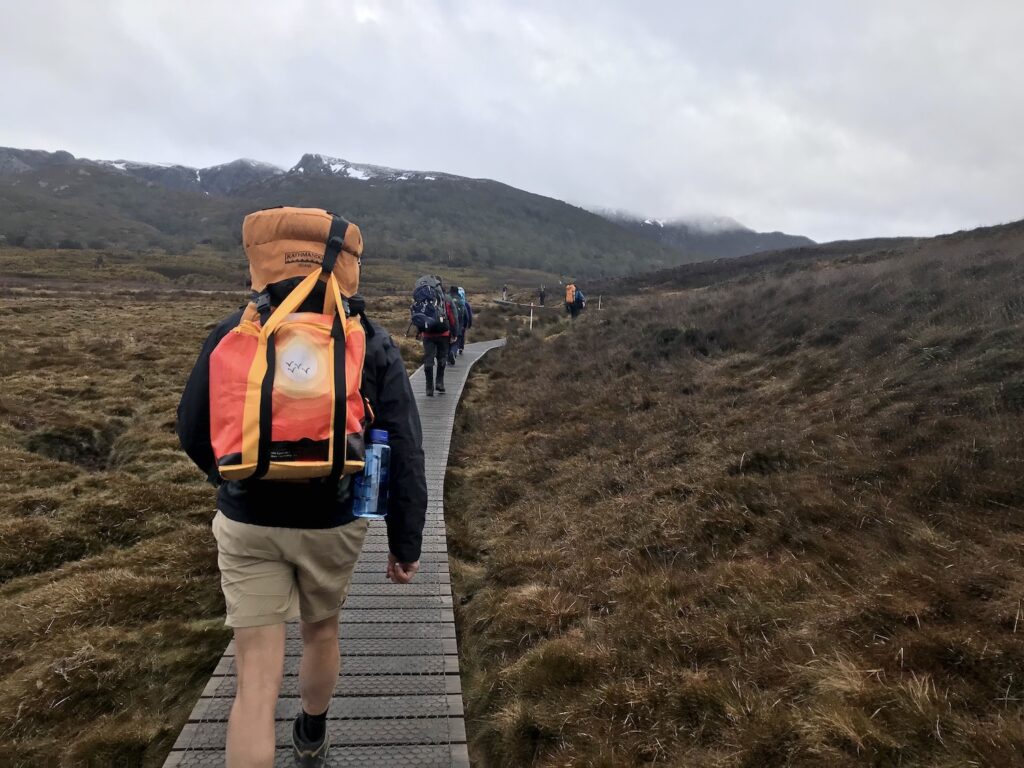
You learn how to regulate your response.
You learn how to stay focused under pressure.
You learn that you can handle more than you thought.
This is how resilience is built. Not through theory, but through experience, which is exactly what effective resilience training is designed to deliver.
From Avoidance to Capability
One of the biggest shifts we see in people is the move from avoidance to engagement.
At first, the instinct is to stay safe. To avoid discomfort and to minimise exposure.
Over time, with the right support and structure, that changes.
People begin to lean in and they take on challenges.
They start to see risk not as something to fear, but as something to work with.
This doesn’t mean being reckless.
It means being deliberate.
It means understanding the difference between unnecessary risk and meaningful challenge.
And it means backing yourself when it matters.
Risk in the Workplace: A Practical Lens
In modern workplaces, risk is often discussed in terms of compliance and safety. And rightly so.
But there is another side to it.
If organisations want resilient teams, they must go beyond simply managing risk. They need to create environments where people can engage with it constructively.
This includes:
- Encouraging open communication
- Normalising challenge and feedback
- Supporting people through uncertainty
- Building trust within teams
When this happens, risk becomes a tool for development rather than something to be feared.
And that is where performance starts to lift.

Final Thought: Risk Is the Edge of Growth
Risk and resilience aren’t separate ideas. They’re part of the same process.
If there’s no risk, there’s no stretch.
If there’s no stretch, there’s no growth.
And if there is no growth, resilience remains unchanged.
The goal isn’t to remove risk from life or work.
The goal is to manage it well.
To step into it when it matters.
And to use it as a platform to build something stronger.
That’s where real resilience is developed.
🎥 Watch videos from our resilience training programs that involve risk