Psychological safety isn’t built through posters on a wall or policies written in a handbook. It’s built through human interaction, trust and shared experiences that allow people to feel safe enough to contribute, speak openly and learn together.
One of the most powerful ways of building psychological safety through shared experiences is placing people into environments where they need to communicate, solve problems and support each other under pressure. These moments create stronger connection because they move people beyond surface-level interaction.
When teams experience challenge together, they begin to understand each other differently. Trust becomes more genuine. Conversations become more open. Feedback becomes easier to receive and deliver.
In many workplaces, people work beside each other without ever truly connecting. Shared experiences help bridge that gap.
Why Shared Experiences Matter
Teams don’t become connected simply because they attend meetings together every day. Connection develops when people experience challenge, uncertainty, vulnerability and reflection together.
This is why experiential leadership programs, outdoor challenges, collaborative workshops and reflective group discussions can have such a powerful impact on culture.
Shared experiences create moments where people:
- rely on one another
- communicate more honestly
- recognise different strengths
- develop empathy
- learn how others respond under pressure
- build mutual respect
These moments help break down hierarchy and defensiveness. People begin to feel more comfortable asking questions, admitting mistakes and contributing ideas without fear of judgement.
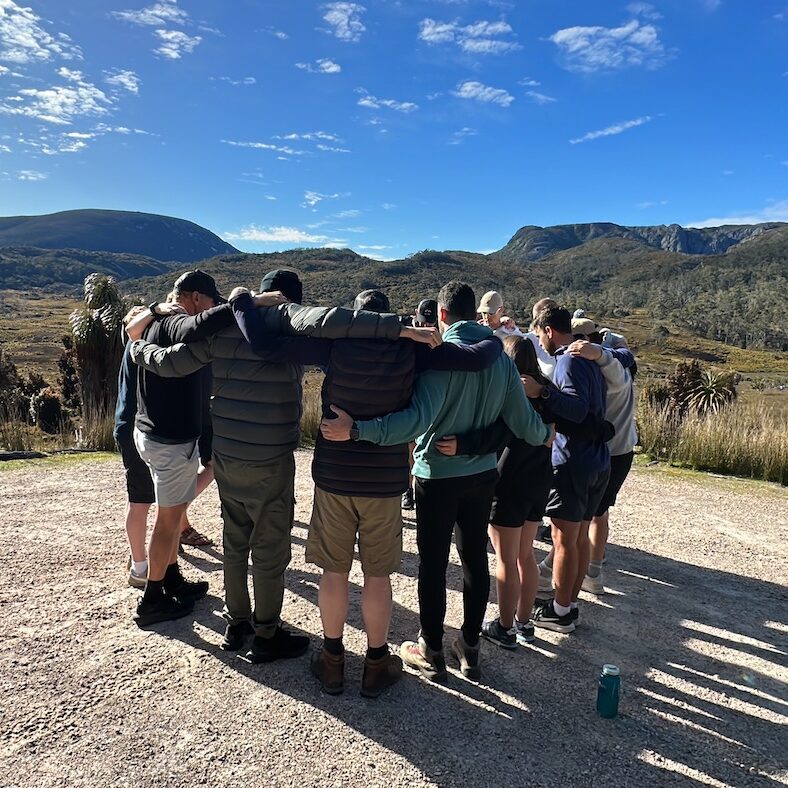
That is the foundation of psychological safety.
For organisations wanting to strengthen team culture, leadership capability and communication, our resilience training programs are designed to create practical behavioural change through shared learning and reflection.
Building Psychological Safety Through Shared Experiences in Real Environments
Some of the strongest examples of team growth occur outside traditional office settings.
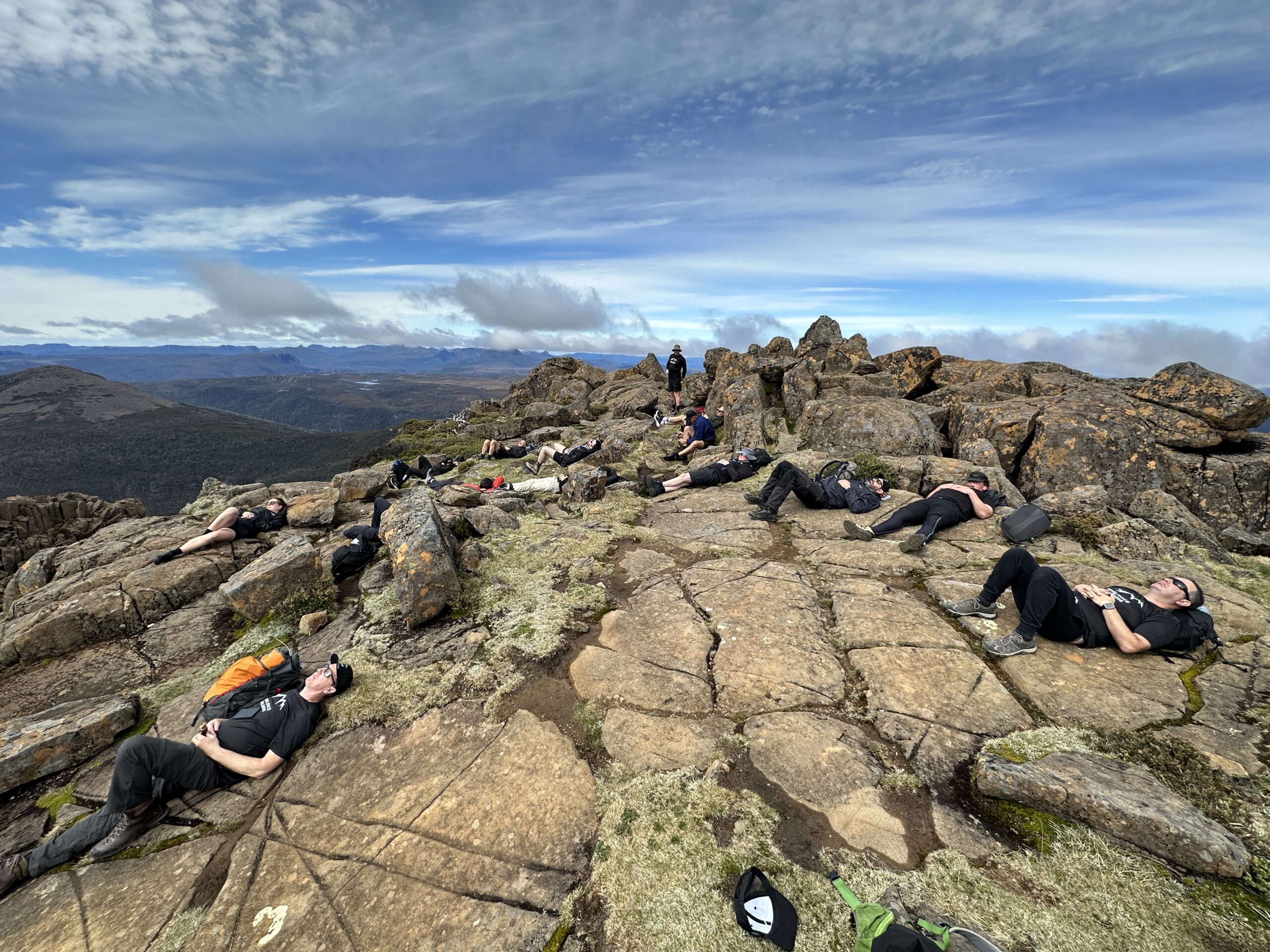
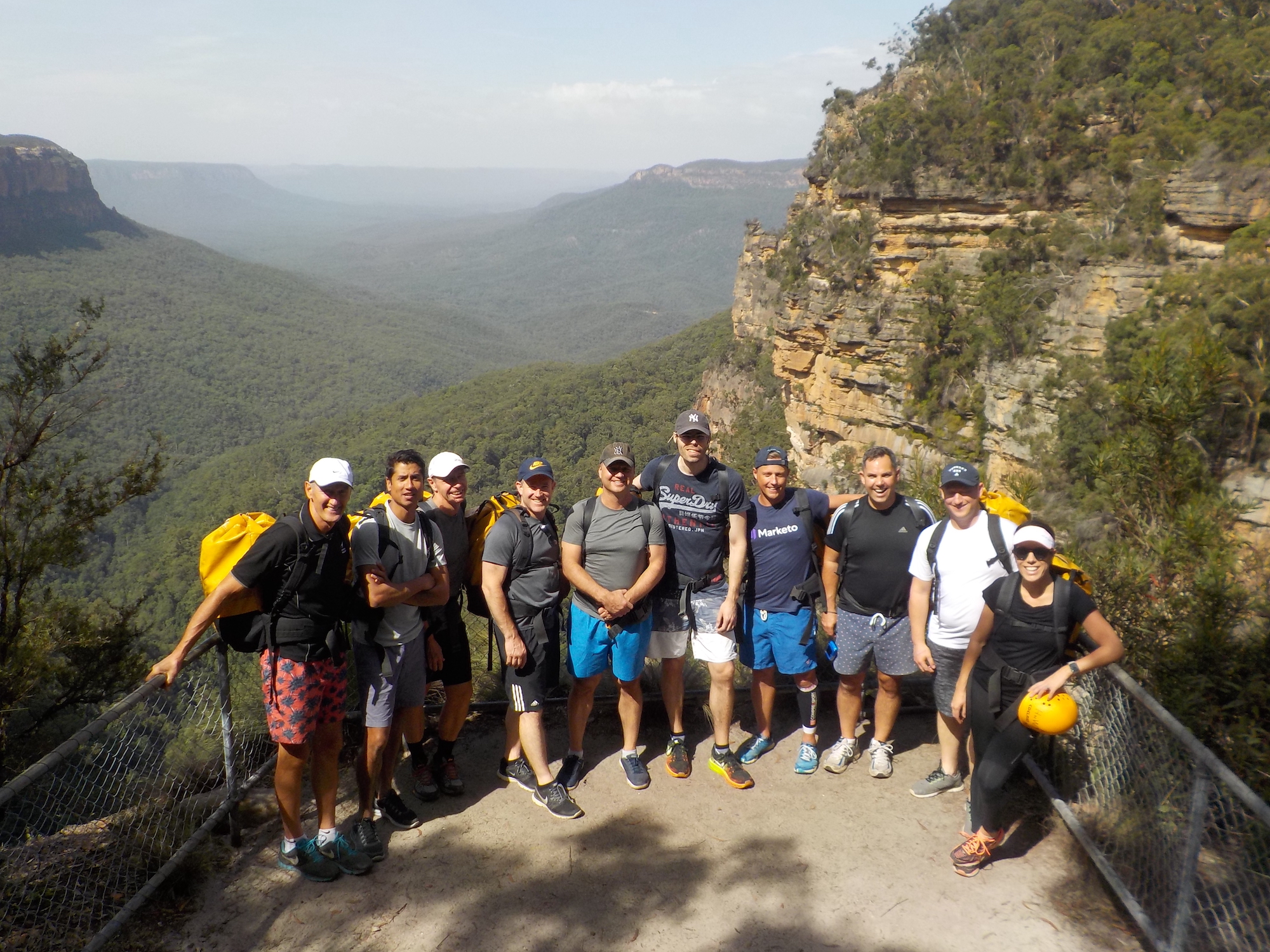
We’ve seen this repeatedly through leadership development programs involving hiking, team challenges, group problem solving and facilitated reflection. When people are removed from their normal environment, their behaviours become more visible.
The senior leader who normally has all the answers may suddenly need support from others. The quieter team member may emerge as calm and composed under pressure. Teams begin to see each other differently.
These experiences often create conversations that would never occur in an office environment.
Shared Challenge Creates Shared Understanding
One of the most powerful ways teams build trust and psychological safety is through shared challenge and reflection.
In this short video, Hutchinson Builders Team Leader Bernie Nolan reflects on leading his team through a Resilience Builders program in the Tasmanian wilderness, and how uncertainty, discomfort and shared experience helped strengthen connection, communication and team culture.
When people experience discomfort or uncertainty together, they develop a stronger sense of connection.
This does not mean organisations need extreme activities to achieve outcomes. Shared experiences can include:
- collaborative workshops
- leadership simulations
- scenario-based learning
- community projects
- outdoor experiences
- facilitated team reflection
- group problem solving activities
The key is creating environments where people interact authentically rather than operating behind professional masks.
Building psychological safety through shared experiences allows teams to move from transactional relationships to genuine human connection.
Leadership Behaviour Shapes Psychological Safety
No amount of team-building activities will create psychological safety if leadership behaviour doesn’t support it afterwards.
Psychological safety is strengthened when leaders consistently demonstrate behaviours such as:
- curiosity
- openness
- accountability
- empathy
- calm communication
- constructive feedback
- willingness to admit mistakes
Leaders set the emotional tone of a team.
If leaders become defensive, dismissive or reactive, people quickly stop speaking up. Innovation decreases. Problems remain hidden. Team connection weakens.
On the other hand, leaders who create open dialogue and encourage contribution build environments where people feel valued and respected.
Our psychological safety programs help organisations build these behaviours in practical and measurable ways.
Reflection Is Where Growth Occurs

The experience itself is important, but reflection is where learning becomes meaningful.
Teams often move quickly from one task to the next without stopping to reflect on what occurred, what was learned and how behaviours impacted outcomes.
Facilitated reflection allows teams to ask important questions:
- What helped us perform well?
- Where did communication break down?
- How did we respond under pressure?
- Did everyone feel heard?
- What behaviours strengthened trust?
- What can we improve moving forward?
These discussions create awareness and accountability.
Over time, they help teams build stronger habits around communication, trust and collaboration.
Shared Experiences Create Lasting Reference Points
One of the most valuable outcomes from shared experiences is the creation of collective reference points.
Teams begin to say:
“Remember when we worked through that challenge together?”
Those moments become anchors for future confidence and resilience.
When workplaces experience pressure, uncertainty or conflict later on, teams can draw upon previous shared experiences as evidence that they can adapt and work through difficulty together.
This is a powerful part of building psychological safety through shared experiences.
Psychological Safety and Performance Go Together
There is often a misconception that psychological safety lowers standards or removes accountability.
The opposite is true.
High-performing teams require psychological safety because people need to feel safe enough to:
- challenge thinking
- provide feedback
- ask for help
- acknowledge mistakes
- contribute ideas
- take ownership
Without psychological safety, teams often avoid difficult conversations and protect themselves rather than focusing on collective performance.
Healthy accountability grows when trust exists first.
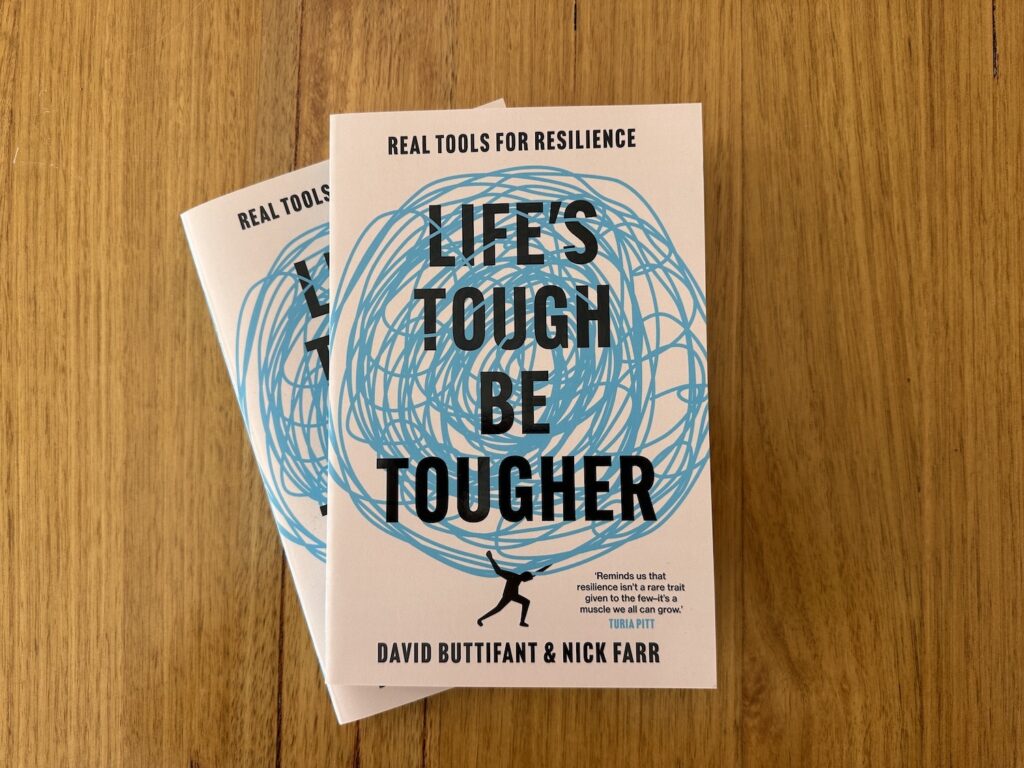
This is a consistent theme explored in our book, Life’s Tough Be Tougher, where resilience, connection and behaviour are explored through practical real-world experiences.
Final Thoughts
Building psychological safety through shared experiences is about creating environments where people genuinely connect, communicate and learn together.
It’s not built overnight.
It is built through consistent behaviours, shared challenge, reflection and trust.
When organisations create opportunities for people to experience growth together, teams become more connected, adaptable and resilient.
And in environments where people feel psychologically safe, performance and wellbeing both improve.
🎥 Watch videos from Resilience Builders experiential programs
FAQ
What is psychological safety in the workplace?
Psychological safety refers to an environment where people feel safe to speak up, ask questions, contribute ideas and admit mistakes without fear of embarrassment or punishment.
Why are shared experiences important for teams?
Shared experiences help teams develop trust, empathy and stronger communication. They create authentic connection and improve collaboration under pressure.
How do leaders build psychological safety?
Leaders build psychological safety through behaviours such as active listening, openness, accountability, calm communication and constructive feedback.
Can shared experiences improve team performance?
Yes. Building psychological safety through shared experiences often improves communication, trust, adaptability and accountability, all of which support stronger team performance.
What are examples of shared experiences in organisations?
Examples include leadership workshops, team challenges, collaborative problem solving, outdoor experiences, facilitated reflection sessions and scenario-based learning.