
Fostering trust in teams doesn’t just happen.
In our last article, we explored how psychological safety creates the conditions for people to speak up, contribute and perform.
But that safety doesn’t just appear, it comes from fostering and creating trust.
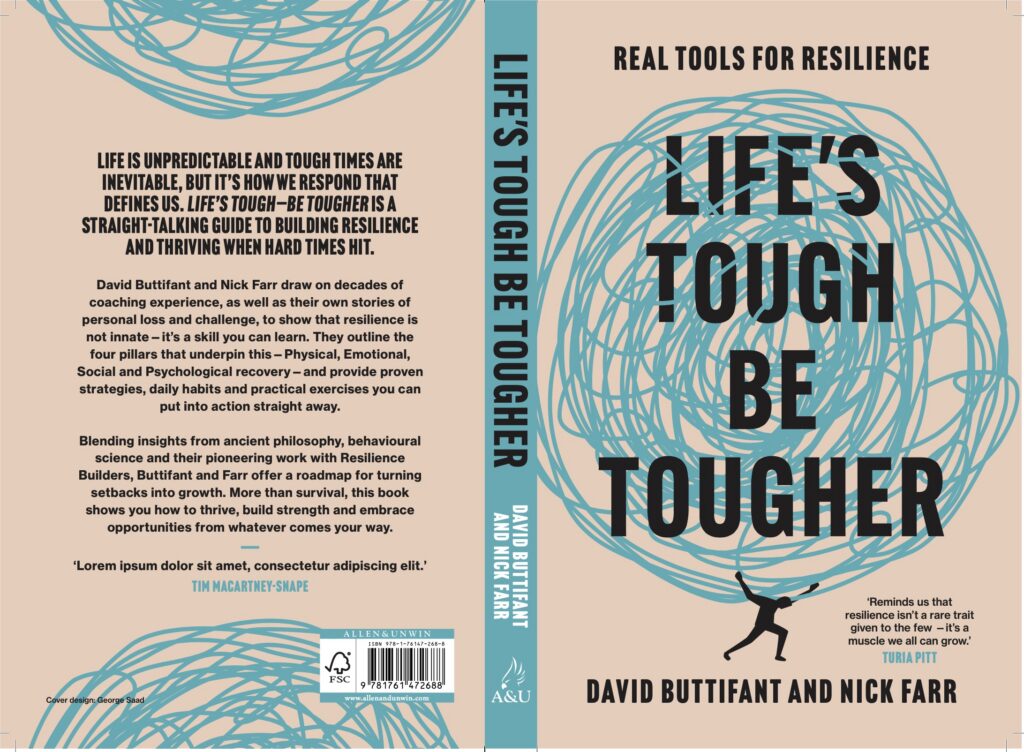
This is something we touch on in Life’s Tough Be Tougher , through the idea that trust sits at the heart of strong relationships.
If there’s one thing we’ve learnt over 30 years in elite sport and business, it’s this.
Performance doesn’t start with strategy. It starts with trust.
You can have the best plan and the most capable people in the room. But if trust isn’t there, it won’t hold when pressure hits.
Trust is Built in the Small Moments
We often think trust is built through big gestures. It’s not.
It’s built in the everyday:
- How you respond when someone makes a mistake
- Whether you genuinely listen or just wait to speak
- How consistent you are with your behaviour
People are always asking themselves:
“Is it safe for me to be myself here?”
And they answer that based on what they experience, not what’s written on a wall.
Why Teams Struggle Without Trust
When trust is low, you feel it quickly:
- Conversations stay surface level
- Feedback gets avoided
- Energy drops
- People hesitate
I’ve seen this time and time again. When trust drops, performance follows.
People protect themselves.
They play safe.
They stop stepping forward.
That’s not a capability issue. It’s an environment issue.
Fostering Trust in Teams Starts with Leadership Behaviour
Trust isn’t built by policy. It’s built by behaviour.
Leaders set the tone.
Simple, consistent actions matter most:
- Admitting when you don’t have all the answers
- Owning mistakes
- Staying consistent under pressure
- Following through
Your team is always watching:
“Do they walk the talk when it matters?”
That’s where performance lives.
Creating an Environment Where People Step Forward
When you commit to fostering trust in teams, things shift.
People:
- Speak up earlier
- Share more openly
- Support each other
- Recover quicker
And most importantly, they take ownership.
Trust Drives Accountability
Many leaders try to drive accountability first.
It rarely works.
Accountability sits on top of trust. Not the other way around.
When trust is there, people lean in.
They hold standards.
They back each other.
Bringing It Together
At its core, fostering trust in teams is a daily practice.
It’s how you show up.
It’s how you respond.
It’s how you connect.
And as we highlight in Life’s Tough Be Tougher, when trust becomes part of the way a team operates, everything else starts to fall into place.