
Psychological safety in the workplace is often discussed, measured and written into values statements. However, many organisations still struggle to turn good intentions into real behavioural change.
The reason is simple.
Psychological safety in the workplace does not live in policies or posters. It lives in behaviour. Specifically, how people act when things feel uncertain, uncomfortable or under pressure.
That is why experience matters.
In May 2023, Resilience Builders delivered a three day immersive resilience program for Apollo Property Group in the remote Tasmanian wilderness. The experience captured in the accompanying video provides a real world case study of how one organisation chose to invest deeply in psychological safety in the workplace, alongside resilience, trust, communication and performance under pressure.
Why Psychological Safety in the Workplace Requires Experience
Psychological safety in the workplace allows people to speak up, ask questions and admit mistakes without fear. When it is present, teams learn faster, adapt better and perform more consistently under pressure.
However, psychological safety cannot be created simply by encouraging people to be open.
It must be felt.
Immersive experiences are powerful because they remove routine, hierarchy and comfort. In their place, they introduce challenge, uncertainty and reliance on others. As a result, patterns of behaviour quickly become visible.
In these moments, people show how they really communicate, support one another and respond to stress.
The Environment Was the Teacher
The Tasmanian wilderness offered cold, wet and exposed conditions. Fatigue was unavoidable. Control was limited. Comfort was minimal.
These conditions were intentional.
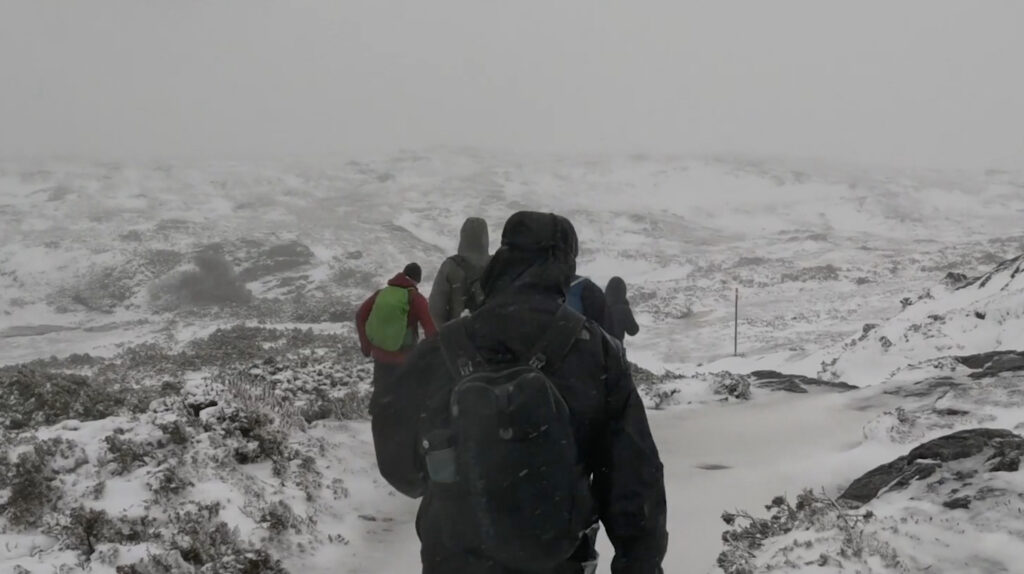
They mirrored the pressures many people experience at work. Tight deadlines. Emotional load. Competing priorities. Uncertainty.
In this environment, psychological safety in the workplace stopped being theoretical. Instead, it became something participants experienced moment by moment through their actions and interactions.
Vulnerability Is Central to Psychological Safety
One of the clearest lessons from the experience is that vulnerability is not weakness. It is a skill.
As the program progressed, conversations became more honest. Participants spoke openly about uncertainty, limits and self doubt. They asked for help. They listened more carefully to one another.
This is psychological safety in the workplace in action.
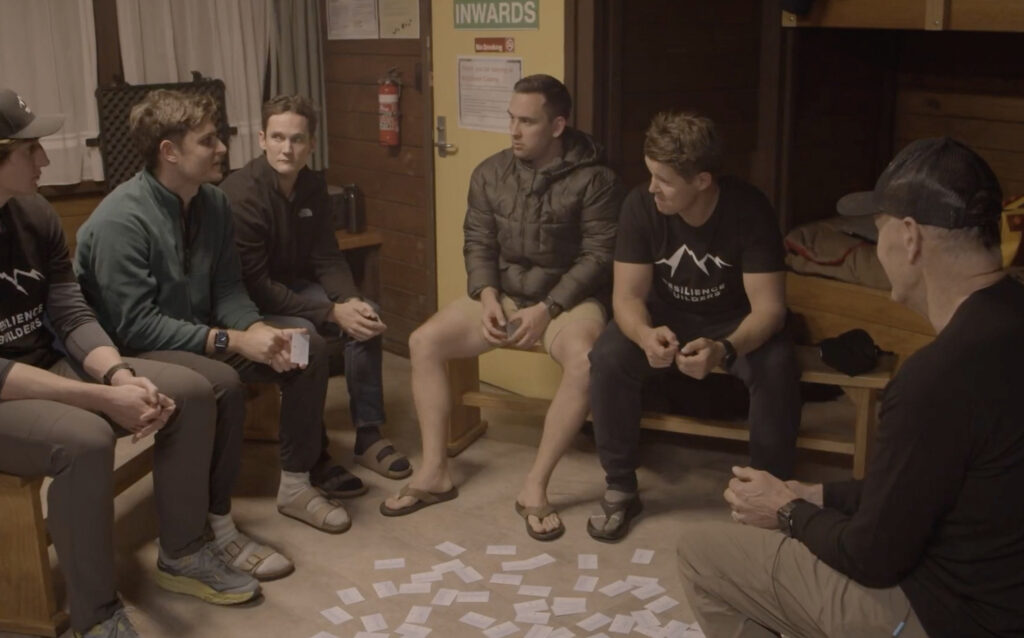
When vulnerability is met with respect rather than judgement, trust builds quickly. Over time, this creates teams where people raise concerns early rather than hiding issues until they escalate.
The Investment Went Beyond Psychological Safety Alone
Apollo Property Group’s investment was not limited to psychological safety in the workplace. The program was designed to develop a broader range of capabilities that support sustainable performance.
These included:
• Psychological safety
• Individual and team resilience
• Communication under pressure
• Trust and mutual reliance
• Decision making in uncertainty
• Wellbeing and recovery strategies
• Performance under sustained challenge
These elements are interconnected. Without resilience, psychological safety erodes under pressure. Without psychological safety, performance suffers when stakes are high.
Addressing them together creates lasting change.
Performance Under Pressure Is Built Early
Another key insight captured in the video is that performance under pressure is built before it is needed.
Throughout the program, participants practised making decisions while tired, communicating clearly when emotions were elevated and supporting others without losing focus on the task.
These skills transfer directly into the workplace.
Teams who have experienced challenge together are better prepared to navigate complexity, conflict and uncertainty when it matters most.
Shared Challenge Accelerates Trust
Trust cannot be mandated. It must be earned. Leadership behaviours that build trust play a critical role in sustaining psychological safety when pressure increases.
Shared challenge remains one of the fastest ways to build trust within teams. When people rely on one another in meaningful ways, trust forms naturally.
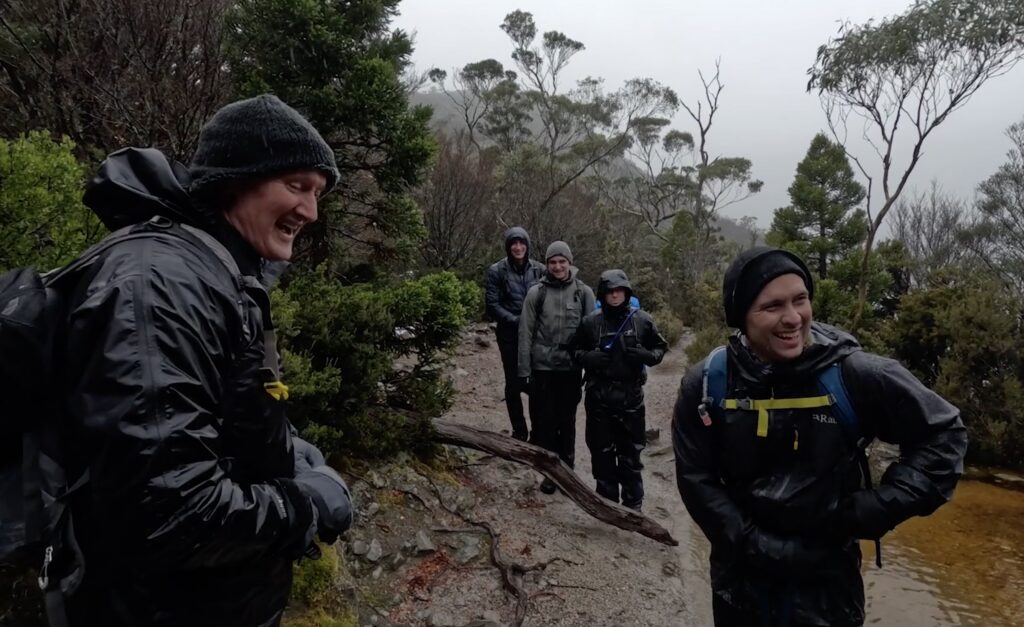
The experience shown in the video demonstrates this clearly. Trust emerged through action, not discussion. Participants showed up for one another, took responsibility and communicated honestly.
This type of trust carries back into the workplace. Feedback improves. Difficult conversations happen sooner. Collaboration strengthens.
What This Means for Psychological Safety in the Workplace
This experience highlights several important lessons.
First, psychological safety in the workplace requires deliberate investment. It does not happen by accident.
Second, it must be built through experience, not just education. People need opportunities to practise trust, communication and vulnerability in environments that feel real.
Finally, psychological safety is most effective when integrated with resilience, wellbeing and performance development. These elements work best together.
Why This Matters Now
Modern workplaces operate under constant pressure. Change is ongoing. Demands are high. Uncertainty is normal.
Organisations that thrive are those that invest in human capability alongside technical skill.
This video captures what is possible when that investment is genuine. Psychological safety in the workplace becomes tangible. Resilience strengthens. Trust deepens. Performance improves.
Not because it is taught.
But because it is lived.
Psychological Safety in the Workplace: FAQS
What is psychological safety in the workplace?
Psychological safety in the workplace is the shared belief that people can speak up, ask questions and admit mistakes without fear of negative consequences. It enables learning, trust and better decision making.
How can organisations improve psychological safety in the workplace?
Organisations improve psychological safety in the workplace by focusing on behaviour, not just policy. This includes developing leadership capability, encouraging open communication and creating shared experiences that build trust and resilience.
Why is psychological safety important for performance?
Psychological safety supports performance by allowing teams to identify issues early, challenge assumptions and adapt quickly under pressure. Teams with strong psychological safety make better decisions and recover faster from setbacks.
What role does resilience play in psychological safety?
Resilience helps teams maintain psychological safety when conditions are difficult. Without resilience, stress and fatigue can undermine trust and communication, even in well intentioned workplaces.
Can psychological safety be developed through training alone?
Psychological safety cannot be developed through training alone. While education helps, lasting change occurs when people practise trust, vulnerability and communication through shared experiences that reflect real workplace pressure.