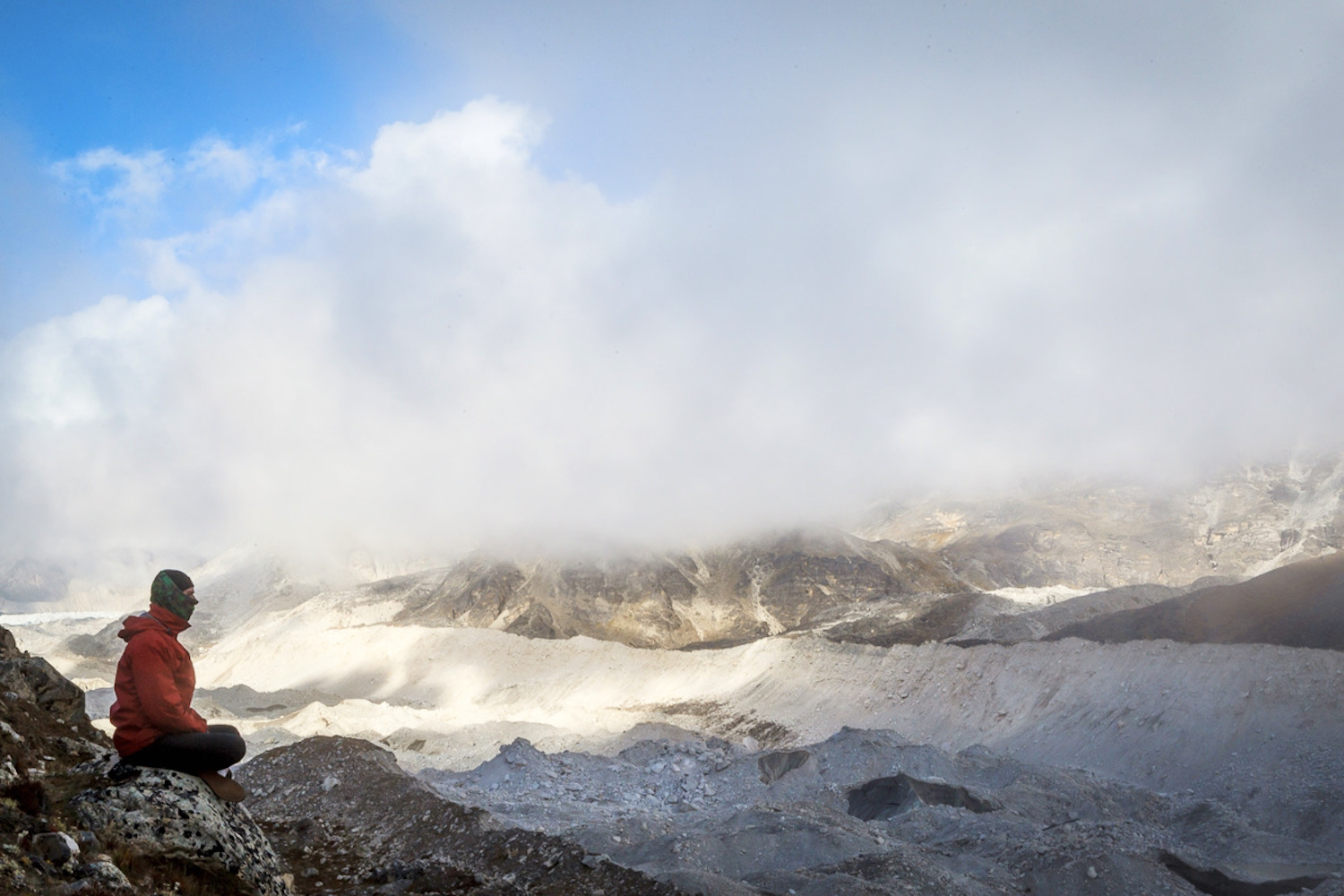
Meaningful resilience training for youth doesn’t happen sitting in a classroom. Instead, it’s built through experience, challenge, and learning how to respond when things don’t go to plan.
Resilience training is vital component in preparing young people to handle pressure, uncertainty, and adversity with confidence. At Resilience Builders, this goes beyond theory. It is grounded in real world environments where young people are stretched, supported, and guided to grow.
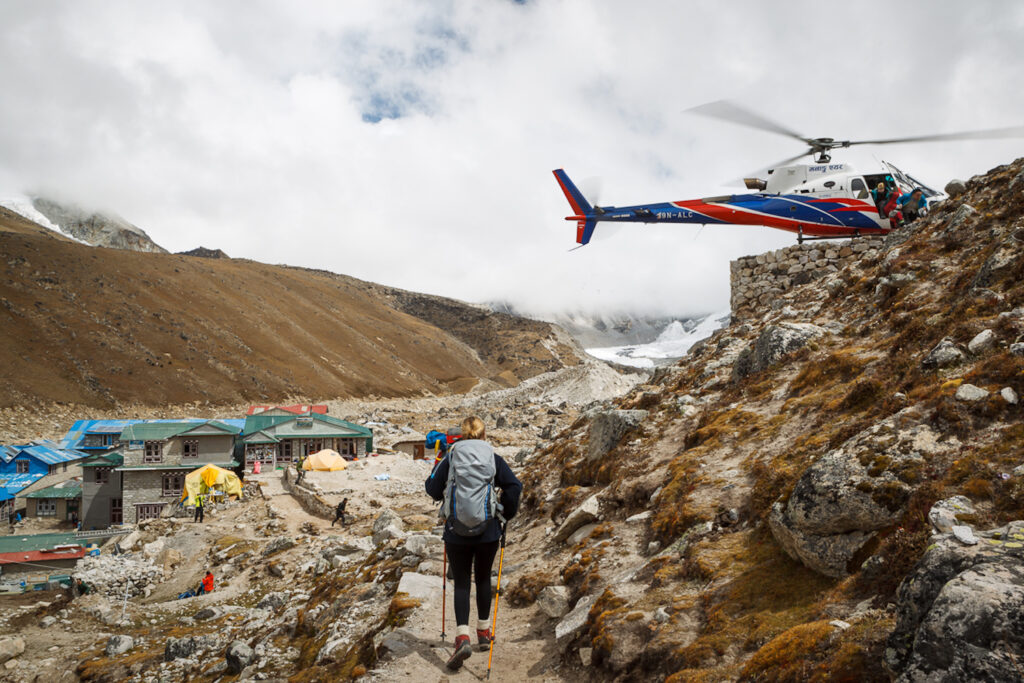
Across Australia, more schools and families are recognising the value of resilience training for young people. As pressure increases, the ability to stay focused, adapt, and keep moving forward has become essential.
What Is Resilience Training for Youth?
Resilience training for youth focuses on developing the mental and emotional skills needed to navigate challenges and setbacks. It helps young people stay focused, manage stress, and respond effectively when things become difficult.
In practice, this includes:
- responding constructively to pressure
- building confidence through action
- developing self awareness
- managing setbacks without losing momentum
These are practical skills. More importantly, they are developed through doing, not just talking.
Why Resilience Matters for Young People
Young people face increasing pressure in today’s world. Academic expectations, social challenges, and constant comparison can create anxiety and stress.
Without resilience, this pressure often leads to:
- avoiding challenges
- reduced confidence
- difficulty handling setbacks
- increased stress and frustration
Carefully designed resilience training provides a valuable pathway. It equips young people with the tools to face challenges, learn from them, and continue moving forward with clarity.
A Different Approach to Building Resilience
Most programs focus heavily on discussion. While awareness is useful, it rarely creates lasting change on its own.
At Resilience Builders, our approach is different. We combine real challenges, unfamiliar environments, and guided reflection to create meaningful learning experiences.
This resilience training for youth approach allows young people to experience resilience directly, rather than simply talking about it.
The Everest Base Camp Experience
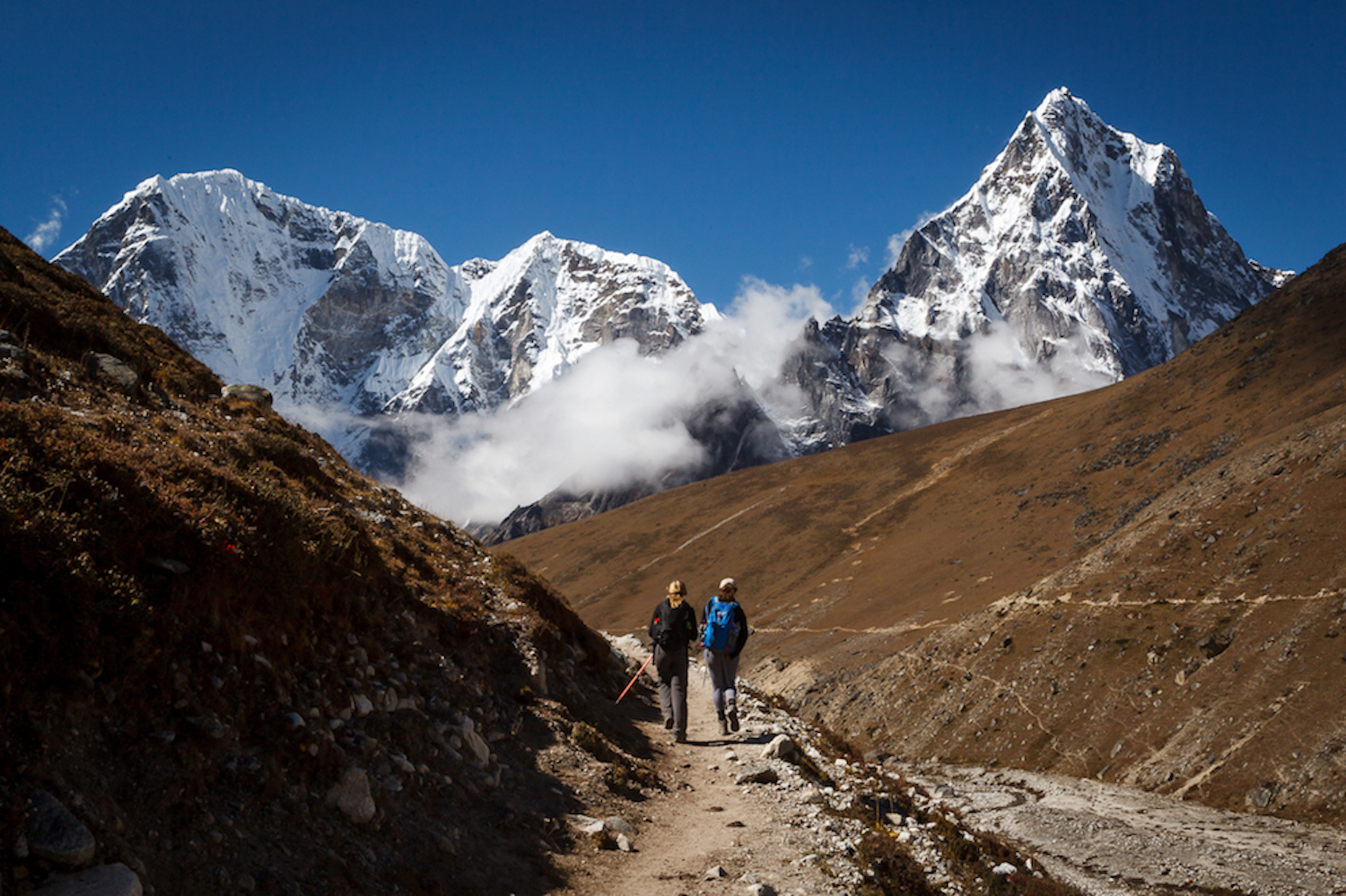
One of the most powerful examples of this approach is our Everest Base Camp Resilience Program.
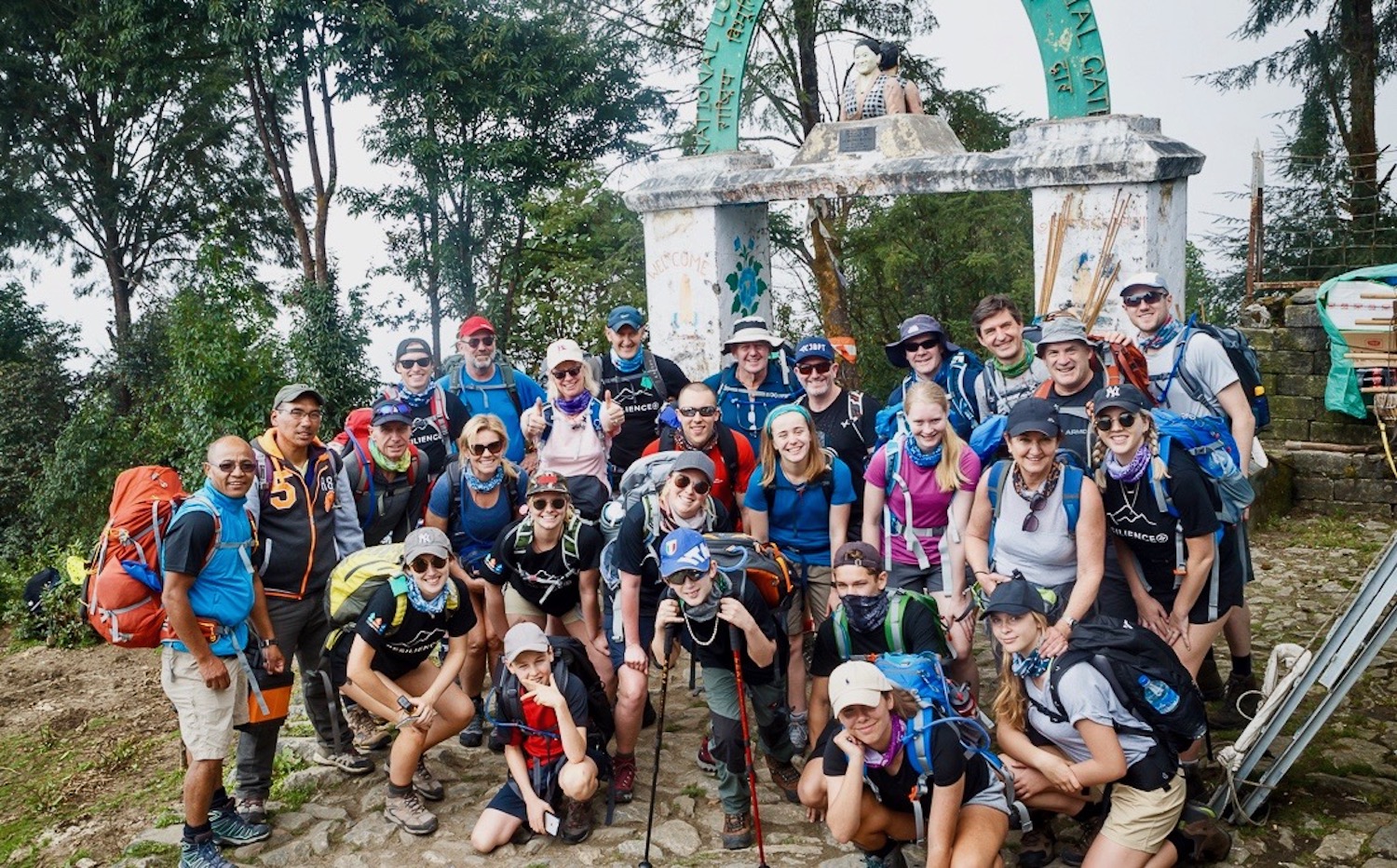
This is more than a trek. It is a structured experience designed to expose young people to physical challenge, unfamiliar environments, and team dynamics under pressure.
Throughout the journey, participants learn to manage discomfort, support others, and stay focused when motivation drops. These are the moments where real growth happens.
In the video below, hear directly from participants about what this experience was like and how it challenged them.
How Young People Build Resilience on this Program
Facing Challenge in a Supported Environment
The program provides a demanding but supported environment. Young people are guided by experienced leaders, yet they are still required to step outside their comfort zone.
As a result, they learn to handle challenge without becoming overwhelmed.
Learning Through Experience
This is where the real shift happens. Participants deal with fatigue, adapt to changing conditions, and manage their mindset in real time.
Each of these moments becomes a practical learning opportunity.
Building Confidence Through Action
Confidence grows through action. As young people progress through the trek, they begin to recognise their own capability.
By the end of the journey, they gain a strong sense of achievement and belief in their ability to handle challenges.
You can see this clearly in how participants describe their experience. In the video below, young participants were asked, “How do you feel this experience might help you with future challenges in your life?” Their responses highlight a clear shift in mindset, growing confidence, and a stronger belief in their own ability to handle what lies ahead.
The Role of Environment in Youth Resilience Development
Environment plays a critical role in how resilience is developed. When young people are removed from familiar surroundings, they are able to focus more clearly.
In environments like the Himalayas, distractions are reduced. As a result, attention shifts to effort, teamwork, and mindset.
This creates the ideal conditions for meaningful growth.
Long Term Impact of This Training
The goal is not short term change. Instead, it is about building skills that last well beyond the program.
Participants often return with:
- increased self awareness
- improved ability to manage pressure
- stronger communication skills
- greater confidence
Many participants reflect on how the experience continues to shape how they handle challenges back home.
Who Is This Training For?
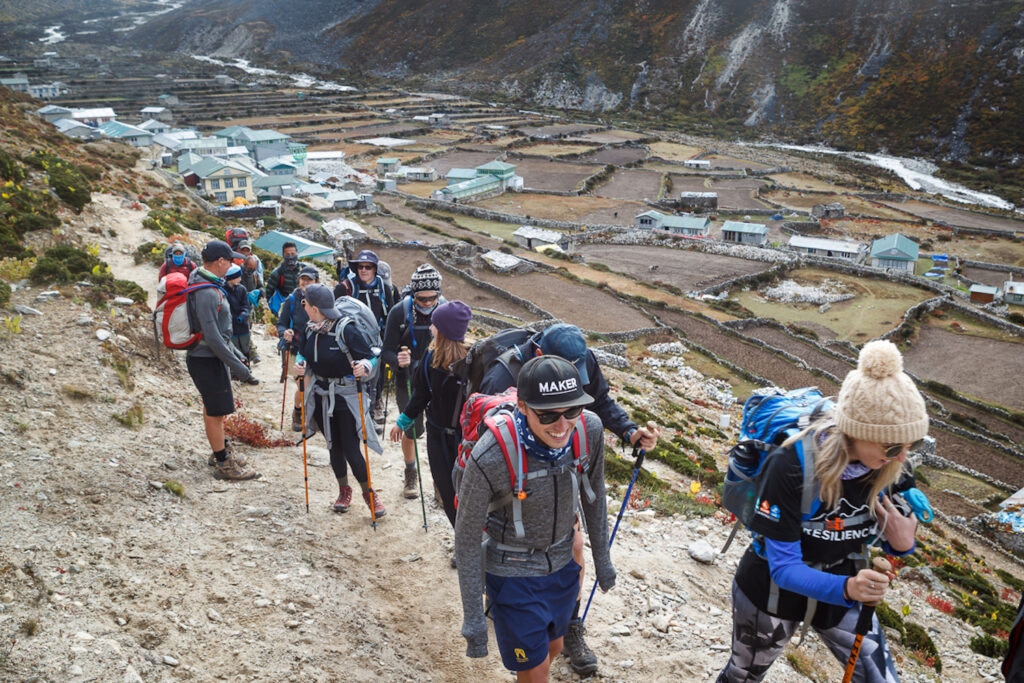
This resilience training is designed for young people who want to build confidence and develop real world skills.
This includes:
- students seeking personal growth
- schools supporting wellbeing and performance
- families looking for meaningful development experiences
In each case, the goal remains the same. Equip young people with the ability to handle challenges effectively.
Connecting This Experience to Everyday Life
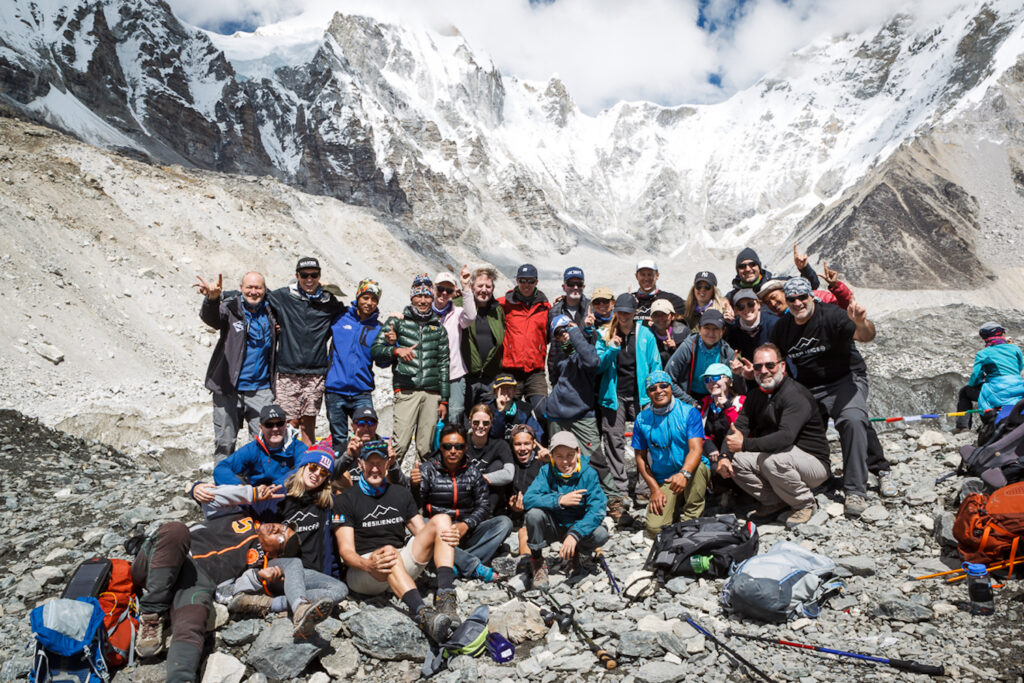
Although the Everest experience is unique, the lessons apply directly to everyday life. Young people learn how to manage pressure, stay focused, and respond to setbacks with confidence.
As a result, these skills become highly practical and relevant beyond the program itself.
Building Resilience That Lasts
Resilience is not built in comfort. Instead, it develops through challenge, uncertainty, and growth.
This type of experiential training provides the opportunity to step into these moments with the right level of support. Through experiences like the Everest Base Camp program, young people develop the confidence and capability to handle whatever comes next.
If you are looking to support long term development, resilience training for youth offers a powerful and proven pathway.
👉 Learn more about our Everest Base Camp Resilience Program
🎥 Watch videos from our Everest Base Camp Resilience Program