Resilience training in action rarely takes place in a boardroom.
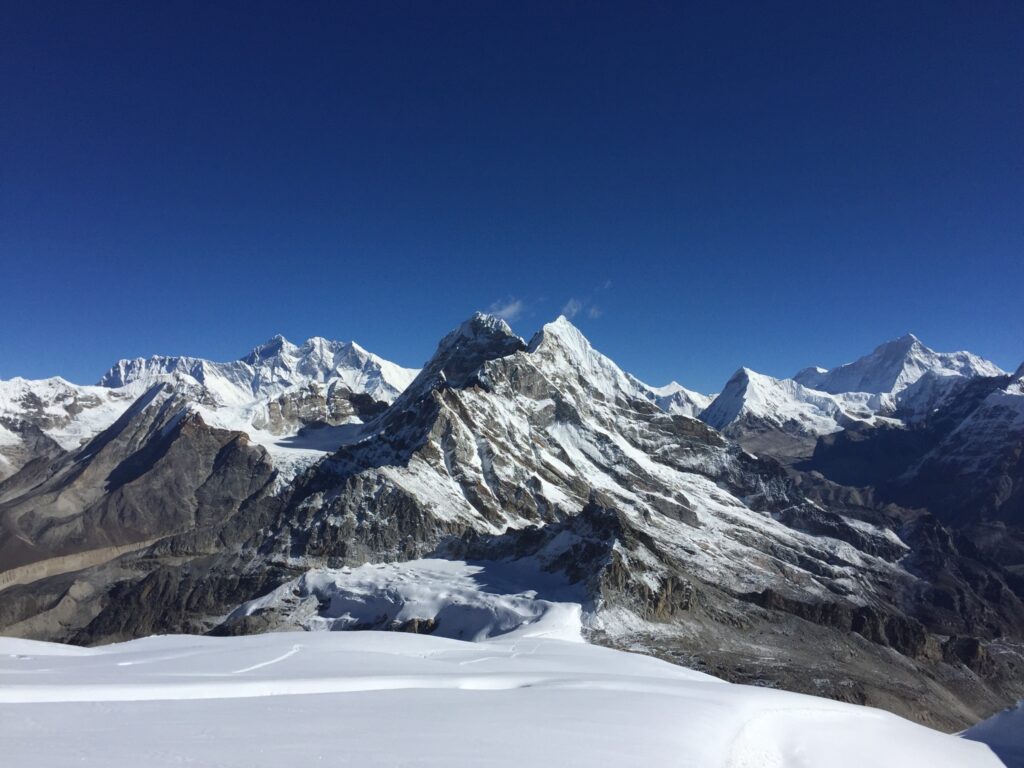
But it does happen at 6,476 metres.
In minus twenty degrees.
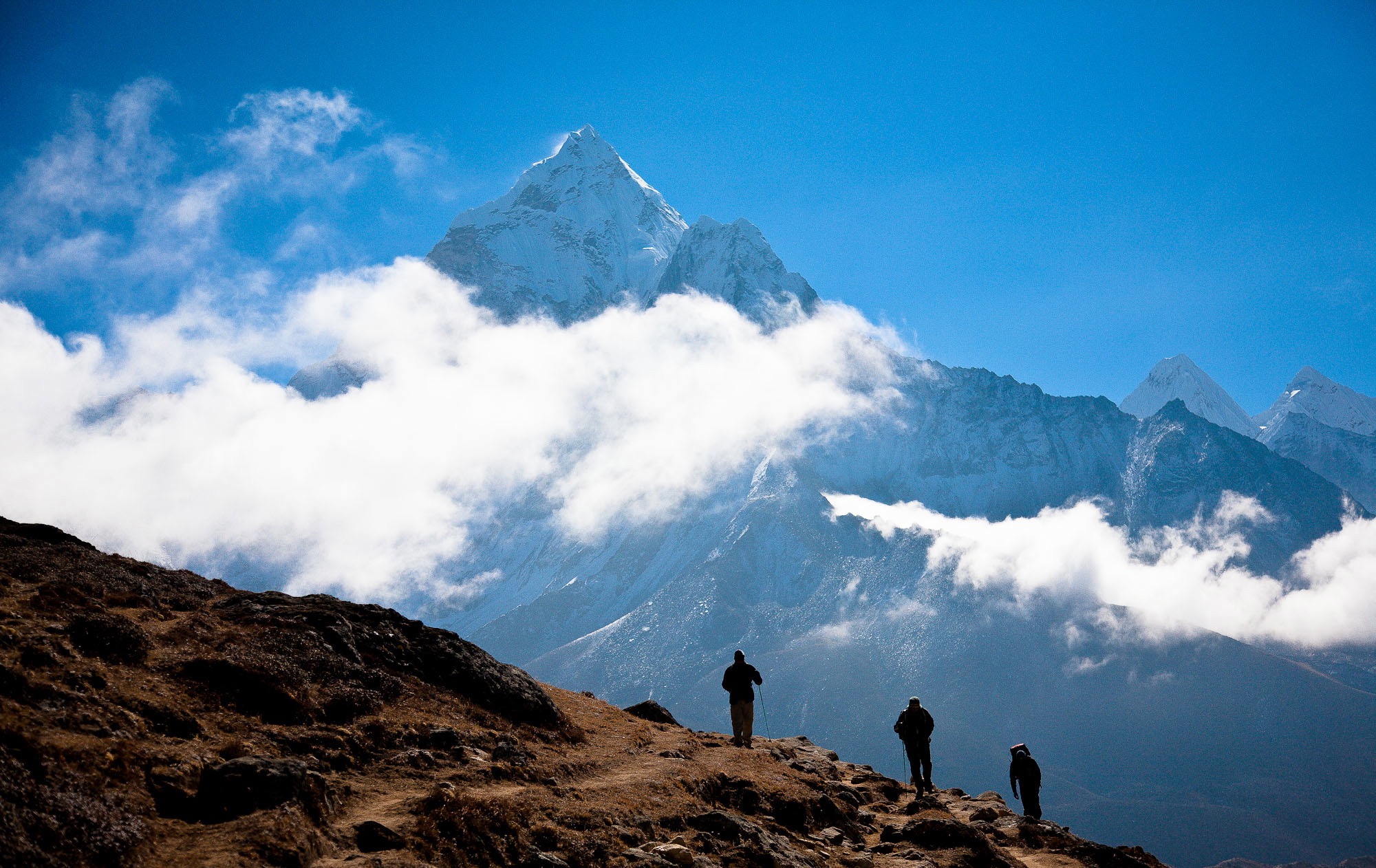
With wind moving across a Himalayan summit.
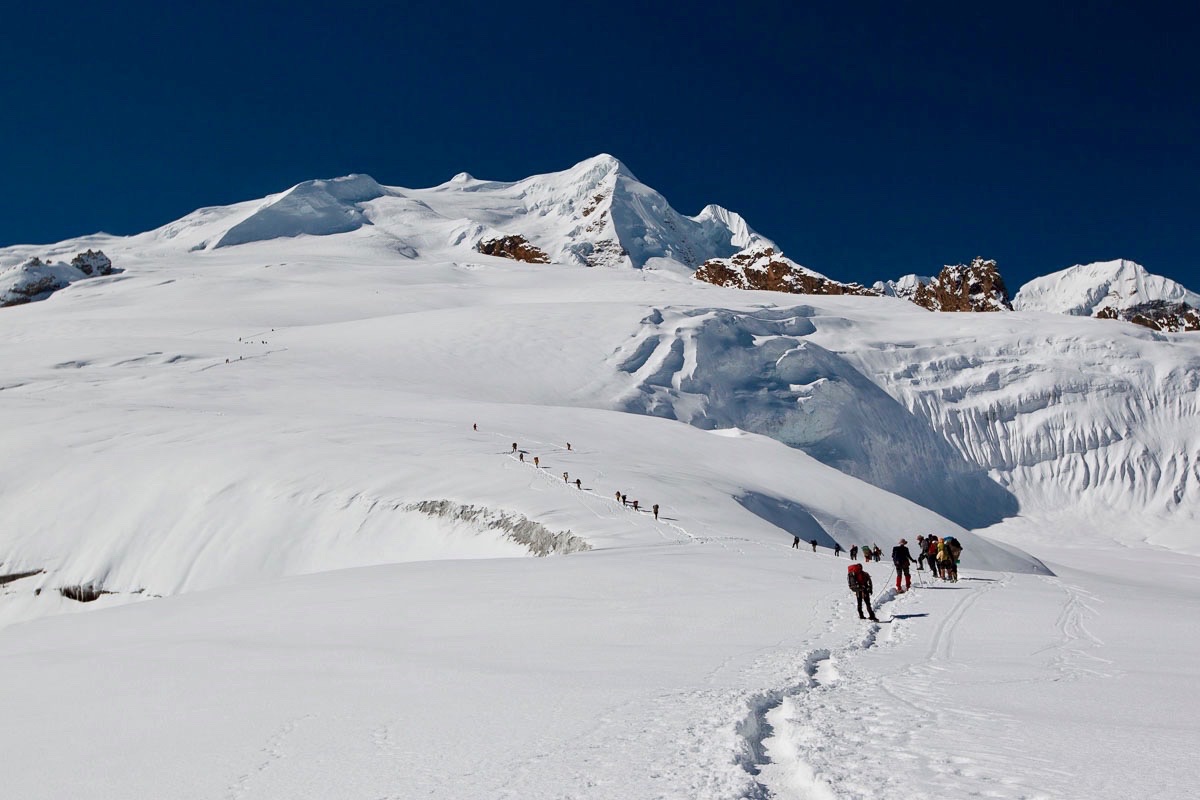
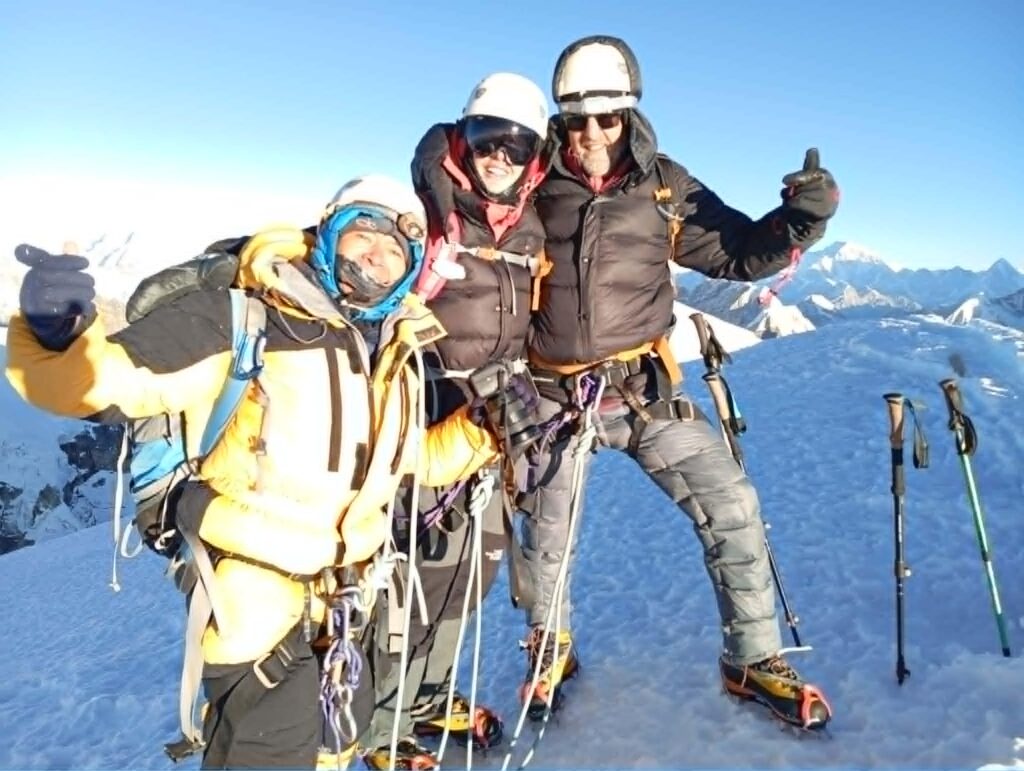
Recently, a small team stood on top of Mera Peak in full winter conditions. A father and son climbing together. Two elite Sherpa leaders guiding them. Quiet competence. Clear decisions. No drama.
From the outside, it looks like a mountaineering success story.
From our perspective at Resilience Builders, it’s something deeper.
It’s resilience training in action.
Pressure Reveals What Culture Conceals
Winter climbing strips everything back.
There is no excess comfort. No distraction. No hiding. When conditions are harsh, culture shows up. Leadership. Trust. Communication.
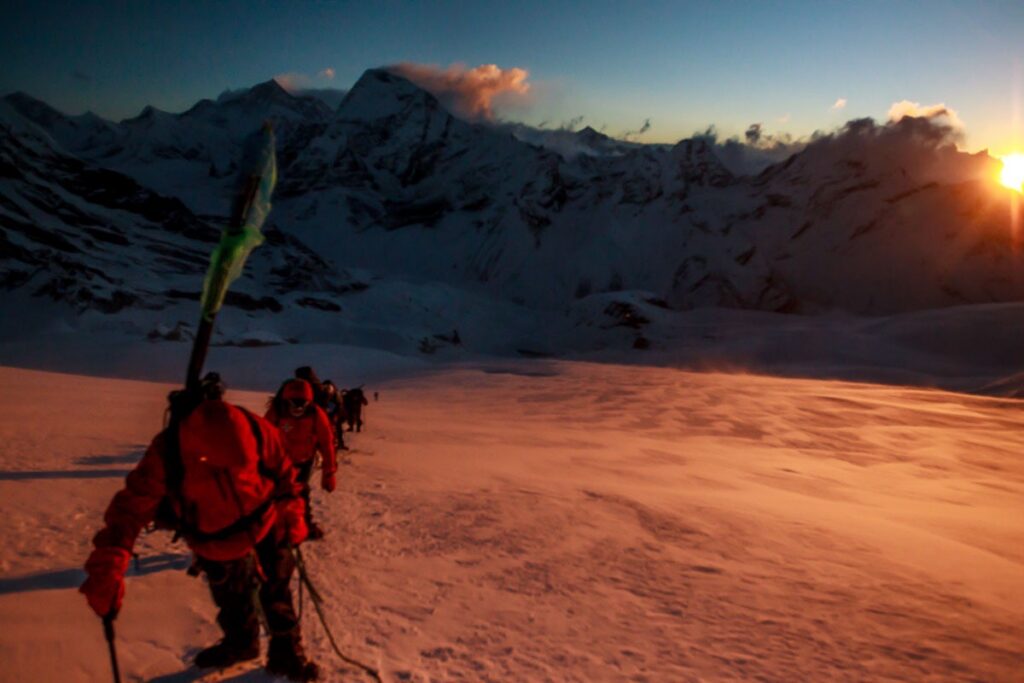
If someone is struggling at altitude and they stay silent, the consequences can be severe. If ego overrides judgement, risk increases. If fear prevents someone from speaking up, the entire team is exposed.
Sound familiar?
In workplaces, under performance pressure, tight deadlines or organisational change, the same dynamics play out. The stakes may not be physical survival, but psychological safety is on the line.
Trust Is Not a Buzzword at 6,476 Metres
Trust must be real at 6,476 metres.
When a father and son are roped together on a glacier in winter, there is no room for pretending. You must trust that your teammate will communicate honestly. You must trust that your leader will make the right call. You must trust that you can speak up without judgement.
On this climb, that trust was visible.
David and Max moved as a unit. They checked in with each other. They listened to guidance. They did not rush decisions. They did not allow emotion to override process.
The Sherpa leaders, Lakpa Sherpa and Gyan Tamang, modelled calm authority. No theatrics. No dominance. Just clarity.
This is what resilience training in action looks like. It’s not loud. It’s steady.
Psychological Safety Is a Survival Skill
Psychological safety is often misunderstood as comfort. This isn’t correct.
It’s the ability to speak up when something feels wrong. It’s the freedom to admit fatigue. It’s the confidence to say, “I am not okay,” without fear of being judged or excluded.
In winter mountaineering, this is a survival skill.
On summit morning, when temperatures drop and wind builds, decisions matter. If someone feels unwell but doesn’t say it, the entire team carries that hidden risk.
Psychological safety allows truth to surface early.
The best high-performing teams are not the ones who never struggle. They are the ones that confront the struggle quickly and deal with it together.
👉 Learn more about our resilience training programs
Leadership Under Pressure
Leadership in winter conditions is not about being the strongest.
It is about reading the room.
Reading the weather.
Reading the people.
Lakpa, with 15 Everest summits behind him, understands this deeply. Experience has taught him that patience often wins over aggression. Gyan complements this with strength and attentiveness. Together, they created an environment where questions were welcomed and caution was respected.
No one was shamed for slowing down.
No one was pressured into pushing beyond safe limits.
Decisions were shared, explained and understood.
That is leadership under pressure.
In corporate settings, we see the opposite too often. Leaders who equate control with competence. Leaders who suppress dissent in the name of efficiency. Leaders who mistake silence for alignment.
Winter climbing reminds us that silence can be dangerous.
Resilience Training in Action – Communication Is Oxygen
At altitude, communication becomes oxygen.
Short check-ins. Clear instructions. Honest updates. The discipline to say what needs to be said.
When David and Max stood on that summit, it was not just physical strength that got them there. It was ongoing communication. Micro conversations. Adjustments. Feedback loops.
This is resilience training in action.
It’s not theoretical. It is behavioural.
And the same principles apply in organisations.
Teams that communicate early and clearly outperform those that rely on assumption. Leaders who invite input reduce hidden risk. Cultures that normalise vulnerability increase performance over time.
Shared Hardship Builds Real Connection
There is something powerful about shared discomfort.
Cold camps. Early starts. Hard decisions. When people choose to lean into challenge together, bonds form quickly and deeply.
This is why experiential programs work.
When we take leaders and teams into environments that stretch them, whether in the Tasmanian wilderness or high in the Himalaya, we are not chasing discomfort for its own sake. We are creating conditions where behaviours become visible.
Where trust is tested.
Where communication matters.
Where leadership is exposed.
And when those behaviours are healthy, performance follows.
Why This Matters Beyond the Mountain
You do not need to climb Mera Peak in winter to experience resilience training in action.
But you do need environments that make behaviour visible.
Pressure doesn’t create character. It reveals it.
This winter ascent was a powerful reminder that trust, communication, leadership and psychological safety are not corporate jargon. They are practical tools. They are performance enablers. And in some environments, they are literally life preserving.
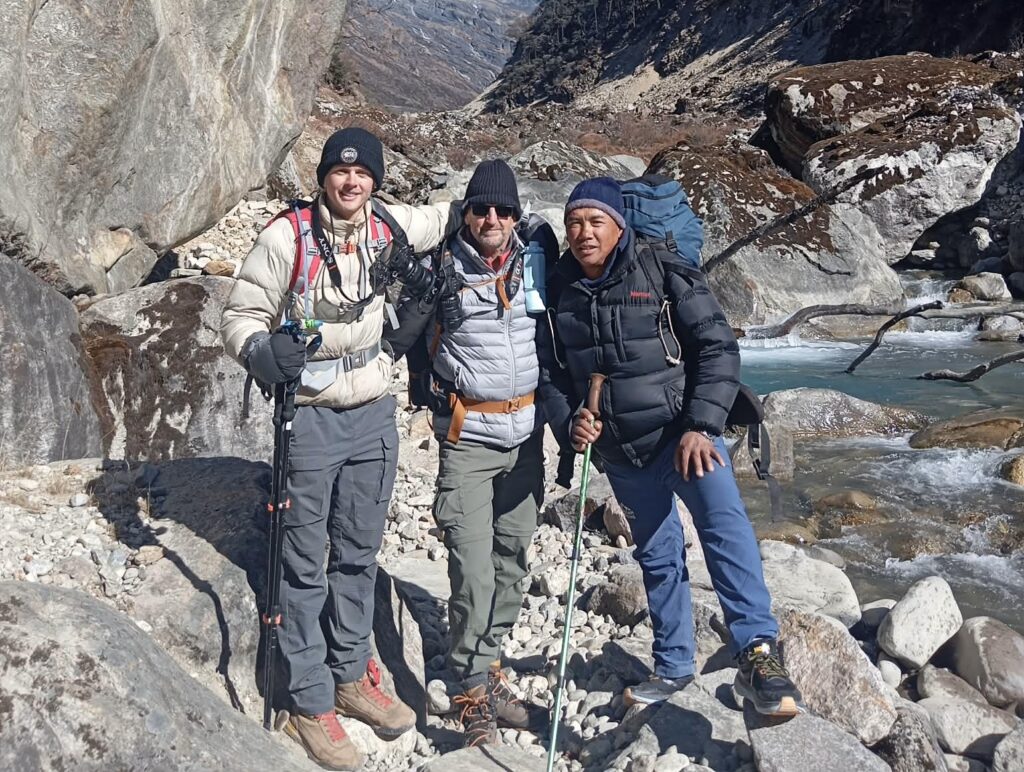
When a father and son stand on a Himalayan summit together, supported by steady Sherpa leadership, what you are seeing is not just adventure.
You are seeing resilience built through relationship.
And that is the kind of resilience that lasts.
If you are curious about experiencing this kind of challenge for yourself, you can explore our Mera Peak Nepal expedition through our partners at Trek Climb Ski Nepal and see what this type of adventure based training really involves.