If psychological safety lives anywhere, it lives in leadership behaviour.
I saw this clearly in elite AFL programs long before it became a corporate buzzword. You could have the best game plan, the best talent and all the values printed on the walls, but if the senior coach or line coach reacted poorly under pressure, players stopped speaking up. Quickly.
The same thing happens in organisations. Amy Edmondson’s research at Harvard shows that teams learn faster and perform better when people feel safe to speak up, ask questions and admit mistakes.
Psychological safety isn’t built in strategy documents or engagement surveys. It’s built — or broken — in everyday moments. Especially when the heat is on.
And this is where leadership really matters.

Psychological safety starts with leadership behaviour
In high-performance sport, players don’t decide whether it’s safe to speak up based on what the club says it values. They decide based on what happened the last time someone questioned a drill, flagged a risk, or admitted they were struggling.
Workplaces are no different.
People watch leaders closely. Tone. Timing. Body language. What gets followed up and what quietly disappears. A sharp response in a meeting. A sarcastic comment. A leader who goes quiet after feedback is raised. These moments teach people the real rules.
Policies don’t create safety.
Leaders do. This is exactly why leadership capability — not just awareness — sits at the centre of how we design our Workplace Programs.
How leadership behaviour creates psychological safety at work
Some of the clearest lessons I’ve learned came when teams were under stress, injuries mounting, form dropping, expectations rising.
That’s when leadership behaviour is exposed.
Under pressure, many leaders default to control. Decisions narrow. Curiosity disappears. The message becomes: now is not the time to question things.
Ironically, that’s exactly when teams need openness the most.
The best coaches and senior leaders I’ve worked with had one thing in common, they stayed regulated when it mattered. They could hear uncomfortable information without reacting defensively. They understood that bad news early is a performance advantage.
That’s not softness.
That’s elite decision making.
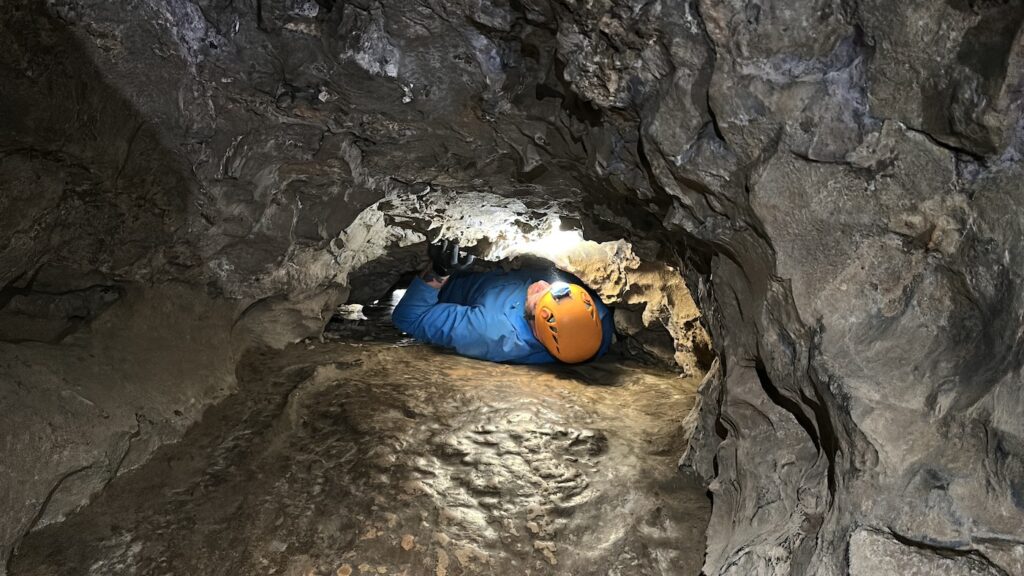
This image shows teams in a Tasmania leadership program moving through tight spaces under pressure — a real-time test of calm leadership and psychological safety.
Trust is built through behaviour, not authority
In both AFL environments and corporate teams, trust never came from titles. It came from consistency.
Strong leadership behaviours that build trust tend to look like this:
- Predictable responses under stress
When something goes wrong, people want to know how you’ll respond. Calm and curious invites honesty. Emotional or reactive shuts it down fast. - Visible follow-through
If someone raises an issue, something needs to happen. Even if the answer is no, explain why. Silence kills trust quicker than bad news. - Owning mistakes openly
The best leaders I’ve seen were comfortable saying, “That one’s on me.” It creates permission for learning. Blame creates fear. - Inviting challenge on purpose
Asking “What am I missing?” — and genuinely meaning it — changes the dynamic. It moves teams from compliance to problem-solving.
None of this slows performance.
It sharpens it.
What leaders must do differently
Psychological safety doesn’t mean lowering standards. Elite sport doesn’t work that way and neither do high-performing organisations.
What it does require is a shift in how authority is used.
Here are four practical shifts I consistently see make the difference.
1. From control to curiosity
Leaders don’t need all the answers. They need better questions. Curiosity signals safety. Control signals risk.
2. From intent to impact
I’ve heard countless leaders say, “That’s not what I meant.” Teams respond to what lands, not what was intended. Impact always wins.
3. From outcomes only to learning under pressure
The best teams hold high standards and reward learning behaviours. Mistakes are examined early, not hidden.
4. From lone leadership to shared responsibility
One leader can set the tone, but systems, peers and organisational responses reinforce it. Safety is sustained when it’s built into how the organisation operates.
The real cost of getting this wrong
When leadership behaviour undermines safety, teams adapt — they go quiet.
Issues surface late.
Risk increases.
Innovation stalls.
Burnout creeps in.
I’ve seen organisations mistake silence for alignment. By the time problems become visible, the damage is already done.
This isn’t a soft issue.
It’s a performance and risk issue.
Capability beats awareness
Awareness alone doesn’t change behaviour, I learned that the hard way in sport.
Leaders need practice, feedback and accountability to embed these behaviours when it matters. That’s why real development happens in live environments, not just workshops.
If you’re serious about lifting leadership capability here, have a look at our Workplace Programs. We work with leaders under real pressure — helping them build trust, make better decisions and sustain performance when it counts. We work with leaders under real pressure — helping them build trust, make better decisions and sustain performance when it counts.
Final thought
Psychological safety doesn’t ask leaders to lower the bar.
It asks them to lead differently.
The strongest leaders don’t avoid discomfort. They make it safe to address it early, together and with clarity.
That’s where trust is built.
That’s where performance lifts.
And that’s where leadership earns real influence.